

Seventeen cents is a cynical price for world peace, yet it is exactly what the smart money is paying. Following the two-week ceasefire agreement announced on April 7, 2026, a flicker of optimism briefly illuminated the diplomatic corridors of Geneva and Muscat. For a fleeting moment, the prospect of a definitive end to four decades of hostility between Washington and Tehran seemed less like a fever dream and more like a spreadsheet entry. That moment has passed. The current price for a "Yes" on a permanent peace deal by May 15 is hovering at a meager 17%, meaning those with skin in the game see a roughly one-in-six chance of a breakthrough. The consensus is clear: a breather is not a bond.
High-conviction trading often reveals what diplomatic press releases attempt to obscure. Over the last 24 hours, the volume reached $2,250,376, pushing the total capital committed to this specific outcome to $6,161,773. When millions of dollars move in a single day to defend the 83% probability of "No," it suggests that institutional skepticism has hardened into a financial floor. This isn't just noise. It is a calculated assessment of the massive friction required to move from a temporary cessation of hostilities to a legally binding, permanent peace treaty. The sheer weight of the capital gives these figures a gravity that mere punditry lacks. This is not a poll of experts; it is a tally of consequences.
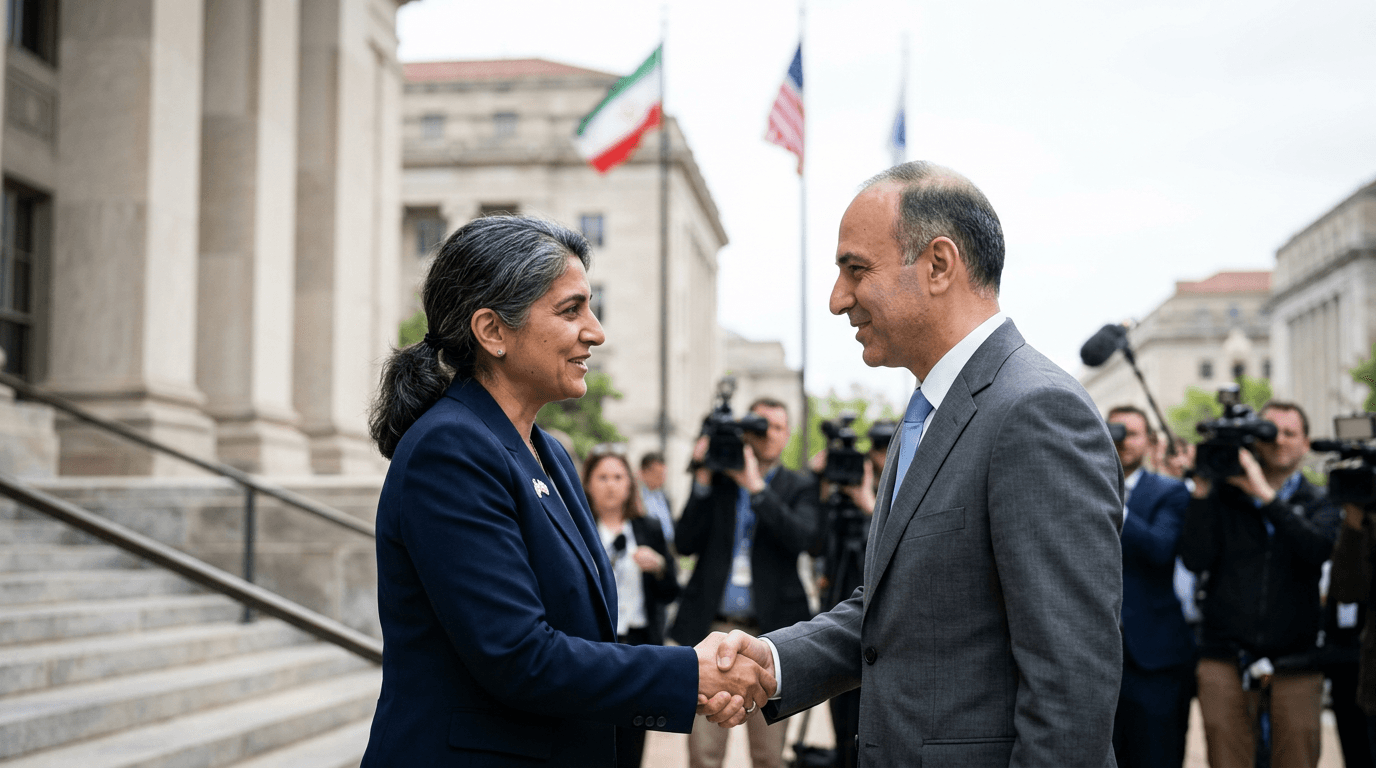
To understand why the price is so depressed, one must look at the mechanics of the deal required for a "Yes" resolution. The market demands more than just a handshake or a photo opportunity. It requires a formal adoption of a written agreement or clear public confirmation of a definitive, lasting end to military hostilities. The April 7 ceasefire was a tactical success, but it lacked the strategic depth to satisfy the criteria of a permanent settlement. In the eyes of the treasury and the state department, and evidently the traders, the leap from "not shooting today" to "never shooting again" is a chasm wider than the Strait of Hormuz. History is a heavy anchor.
The Weight of Institutional Enmity
Geopolitics is a game of inertia, not epiphanies. To believe in a full payout for a "Yes" vote is to believe that forty-five years of institutionalized enmity can be dissolved by a few signatures in a matter of weeks. It is a tall order. The skepticism baked into the 17% price reflects the reality of domestic politics in both capitals. In Washington, any agreement that hints at permanence must survive the meat-grinder of a skeptical Congress and the looming specter of an election cycle. In Tehran, the hardline elements of the clerical establishment view permanent peace not as a goal, but as a surrender of their very raison d'etre. The incentives for a lasting peace are dwarfed by the incentives for managed friction.
The April truce was a reprieve from the drone swarms and naval skirmishes that have defined the recent era, but it was explicitly temporary. Traders have correctly identified that the clock is the enemy of the diplomat. With the May 15 deadline rapidly approaching, there is simply not enough time for the robust verification mechanisms and legislative reviews that a permanent treaty would necessitate. A two-week extension of the current ceasefire would trigger a "No" resolution just as surely as an outright return to war. Precision in language is the hallmark of these contracts. The market is not betting on whether the US and Iran like each other; it is betting on whether they can produce a specific, legally recognizable document in a hyper-compressed timeframe.
The Price of Reality
The 83% probability of failure is not an indictment of diplomacy, but a recognition of its pace. Real peace moves at the speed of trust, and trust is a commodity currently in short supply. While the $2.25 million spike in daily volume indicates that some are still trying to find an edge in the volatility, the broader trend is a retreat toward realism. The optimism that followed the April 7 announcement has been replaced by a cold calculation of the remaining obstacles. These include the status of proxy forces, the lifting of primary sanctions, and the verification of nuclear constraints—each a Gordian knot in its own right.
The smart play has remained remarkably consistent despite the headlines. Those holding "No" positions are essentially betting on the status quo, a safe harbor that has yielded dividends for decades. For the 17% of dreamers holding "Yes" tickets, the path to a windfall requires a miracle of modern statecraft that has no precedent in the post-revolutionary era. The data suggests the miracle is not coming. When the clock strikes midnight on May 15, the most likely outcome is a return to the familiar, uncomfortable middle ground where the guns are silent, but the war is never truly over.

Comments
to join the conversation.
No comments yet. Be the first to share your thoughts.