

One thousand five hundred kilometers. That is the ballistic distance between the launch pads of the Islamic Revolutionary Guard Corps and the residential towers of Tel Aviv. It is a distance currently bridged only by the trajectory of suicide drones and the fever dreams of the terminally optimistic. In the cold, hard calculus of the prediction markets, the prospect of these two regional hegemons signing a permanent peace treaty by June 30, 2026, is currently priced at 11 cents on the dollar. This implies an 89 percent probability that the shadow war will remain exactly that: a conflict defined by proximity, proxy, and the persistent threat of escalation.
The price of this particular peace is not merely a reflection of regional pessimism; it is a data-driven indictment of the current diplomatic architecture. With total trading volume surging past $4.5 million, this is not a niche playground for hobbyists. It is a high-conviction pool where participants are voting with their wallets on the durability of a four-decade-old enmity. The 24-hour volume of nearly $688,000 suggests that even as the headlines fluctuate, the smart money is doubling down on the status quo. The market is effectively saying that a grand bargain is a statistical outlier, a black swan that few expect to see take flight.
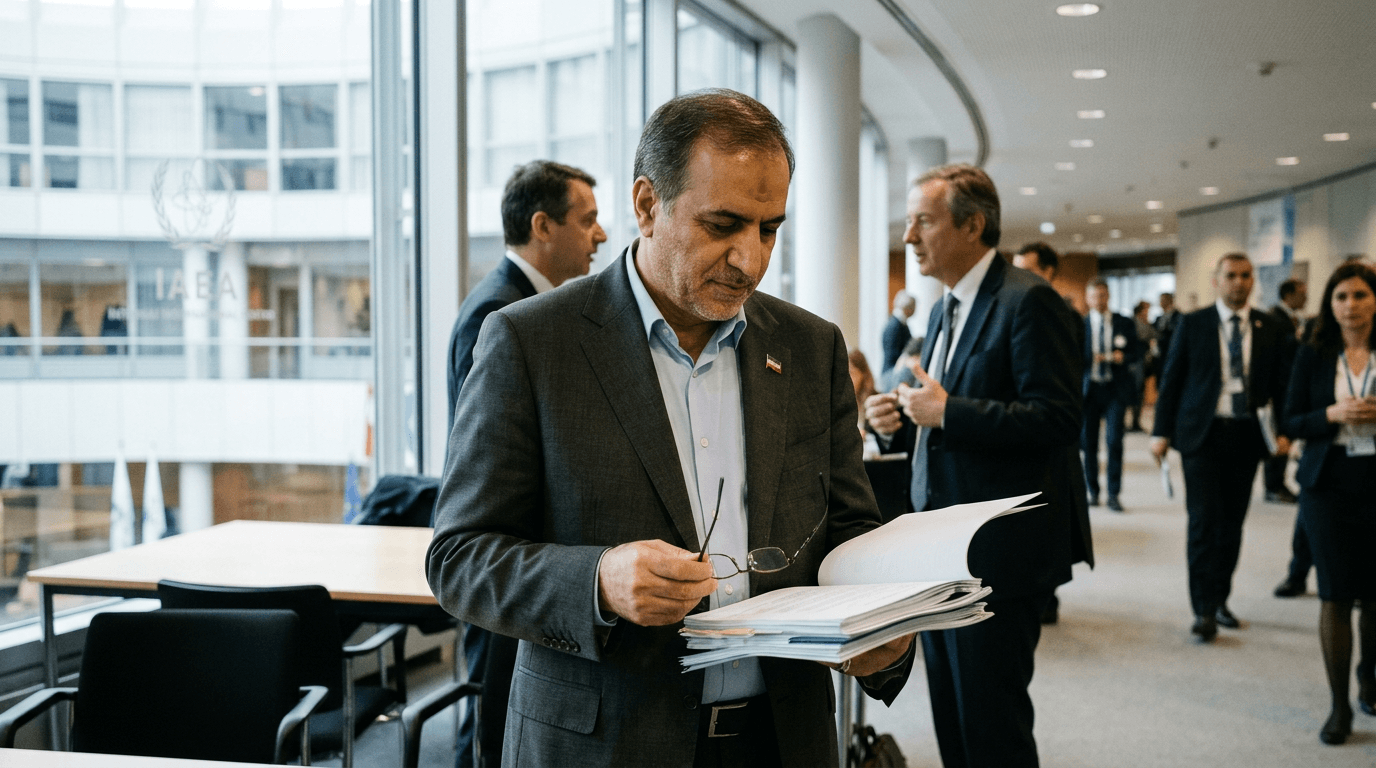
The structural barriers to a "Yes" resolution are formidable. For Tehran, the ideological opposition to the "Zionist entity" is not a policy preference but a foundational pillar of the 1979 revolution. To sign a permanent peace deal would be to dismantle the primary justification for the IRGC’s sprawling regional influence. Meanwhile, Jerusalem views the Iranian nuclear program as an existential ticking clock. According to the International Atomic Energy Agency, Iran’s stockpile of uranium enriched to 60 percent has grown to approximately 142.1 kilograms. This is enough, if enriched further, to fuel several nuclear warheads. When weapons-grade material is measured in kilograms, diplomatic trust is measured in microns. There is no room for error.
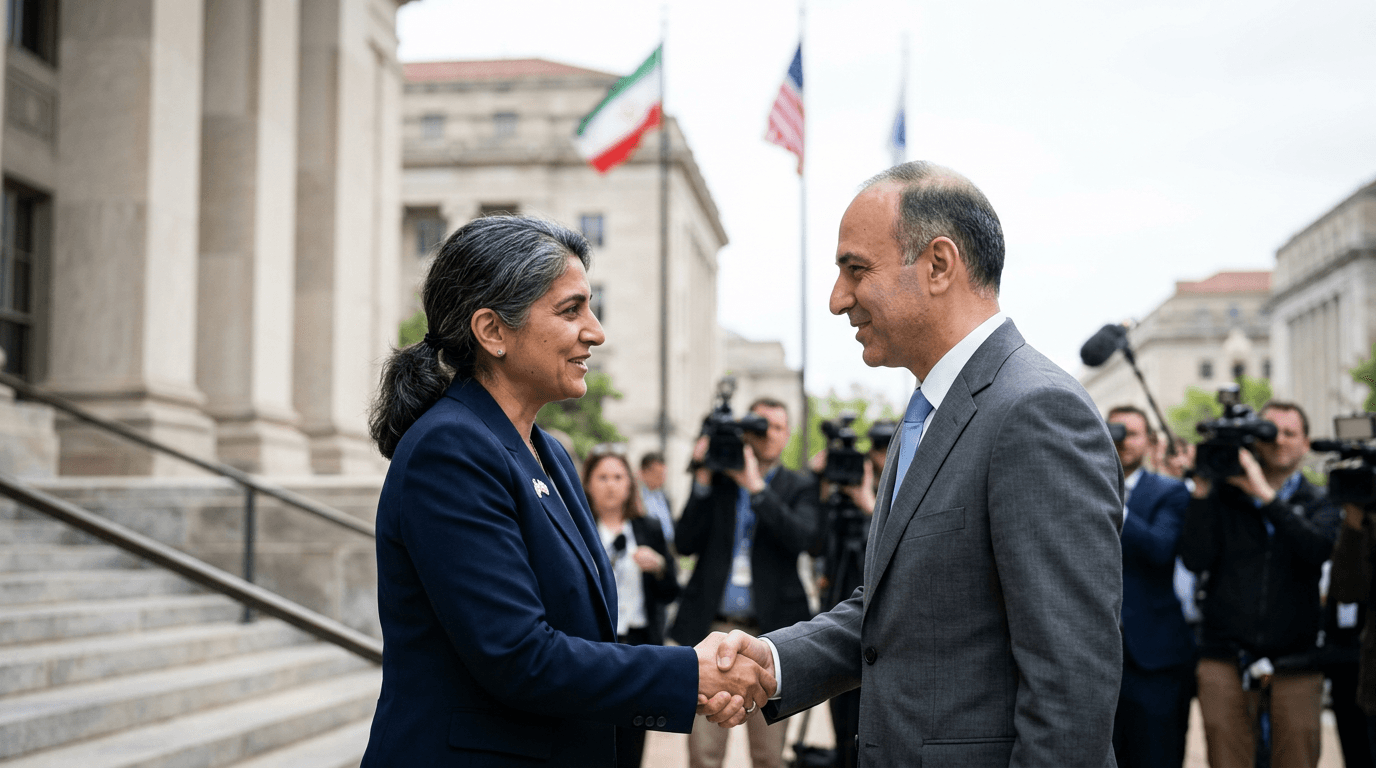
History is a cruel teacher in the Levant. The market description requires a formal, written agreement or public confirmation of a lasting end to military hostilities. This goes far beyond a tactical ceasefire or a temporary de-escalation of the kind we see during back-channel negotiations in Muscat or Doha. It requires a fundamental realignment. Short, sharp shocks to the system—such as the April exchange of direct fire—have only reinforced the No position. Every time a missile crosses a border, the 11 percent probability looks more like an optimist's tax than a realistic assessment of the future.
The Proxy Constraint
Peace between sovereign states is difficult; peace between an archipelago of non-state actors and a sovereign state is nearly impossible. Iran’s "Axis of Resistance" includes Hezbollah, which boasts an estimated arsenal of 150,000 rockets aimed at Israel’s northern Galilee. Any permanent peace deal between Tehran and Jerusalem would necessitate the total disarmament or neutralization of these proxies. This is a tall order. For the Iranian leadership, Hezbollah is a forward-deployed insurance policy against an Israeli strike on its nuclear facilities. Relinquishing that leverage by mid-2026 would require a level of trust that simply does not exist in the current geopolitical climate.
The internal politics of both nations further cement the 89 percent probability of a No. Prime Minister Benjamin Netanyahu’s coalition is built on a foundation of security hawkishness that views any rapprochement with Iran as a strategic surrender. On the other side, the succession question in Tehran looms large. As the Supreme Leader ages, the IRGC is likely to consolidate power, and their institutional survival depends on the maintenance of an external enemy. Peace is a luxury neither leadership can currently afford. They are trapped in a cycle of mutual necessity.
Some might argue that the 11 percent chance represents a "regime change" hedge. If the current clerical establishment in Iran were to face a sudden internal collapse, a new government might seek to end its international pariah status by settling old scores. But bettors are skeptical. Even a new regime would inherit the same geography and the same regional rivalries. To bet on Yes is to bet on a miracle. The sheer weight of the capital favoring No indicates that most traders believe the miracle is not coming.
The numbers do not lie. When millions of dollars are on the line, sentimentality disappears. The current pricing suggests that while the world may hope for a quiet summer in 2026, the reality will likely involve more of the same: cyberattacks, targeted assassinations, and the occasional flurry of interceptors over the Mediterranean. The 11 percenters are holding out for a world that has not existed since 1979. They will likely be waiting for a long time. Diplomacy is a brittle thing, and in this part of the world, it breaks far more often than it bends.

Comments
to join the conversation.
No comments yet. Be the first to share your thoughts.