

Forty-five years of strategic enmity do not usually dissolve over a fortnight. Yet, following the surprising two-week ceasefire announced on April 7, 2026, the prospect of a permanent settlement between the United States and Iran has moved from the realm of academic fantasy into a high-stakes financial reality. Traders are currently pricing the probability of a permanent peace deal by June 15, 2026, at 48%. It is a staggering figure for a relationship defined by proxy wars and frozen assets. This is the diplomatic equivalent of a coin flip.
The conviction behind this movement is visible in the numbers. With nearly $2.8 million in total volume and over $434,000 changing hands in the last twenty-four hours alone, this is not a niche hobbyist sentiment. It represents a significant capital commitment to the idea that the current diplomatic window is fundamentally different from the false dawns of 2015 or 2021. Capital is flowing toward the "Yes" position because the alternative—a return to direct kinetic engagement—has become economically and politically ruinous for both parties. High liquidity usually signals that the market has moved past mere speculation and is now reacting to substantive, if quiet, diplomatic signaling.
The High Bar for Permanence
Defining peace is often harder than declaring it. The market resolution criteria are strict: a qualifying agreement must explicitly indicate that military hostilities have ended or will permanently cease. This excludes the temporary extensions and "stop-gap" measures that have historically characterized Middle Eastern diplomacy. For a deal to be permanent, it requires a structural shift that can survive the domestic political volatility of both Washington and Tehran. The 53% price for the "No" outcome reflects the very real fear that the April 7 ceasefire is a tactical pause rather than a strategic pivot.
History favors the skeptics. A permanent end to hostilities necessitates a treaty-level commitment from the United States, something the U.S. Senate has shown little appetite for in recent decades. On the Iranian side, it requires the Supreme Leader to reconcile a permanent peace with the ideological foundations of the Islamic Republic. These are not merely hurdles; they are mountains. The 48% "Yes" price suggests that traders believe these mountains are finally being leveled by the sheer weight of regional exhaustion. They are betting on a miracle.
Market Sentiment and Geopolitical Reality
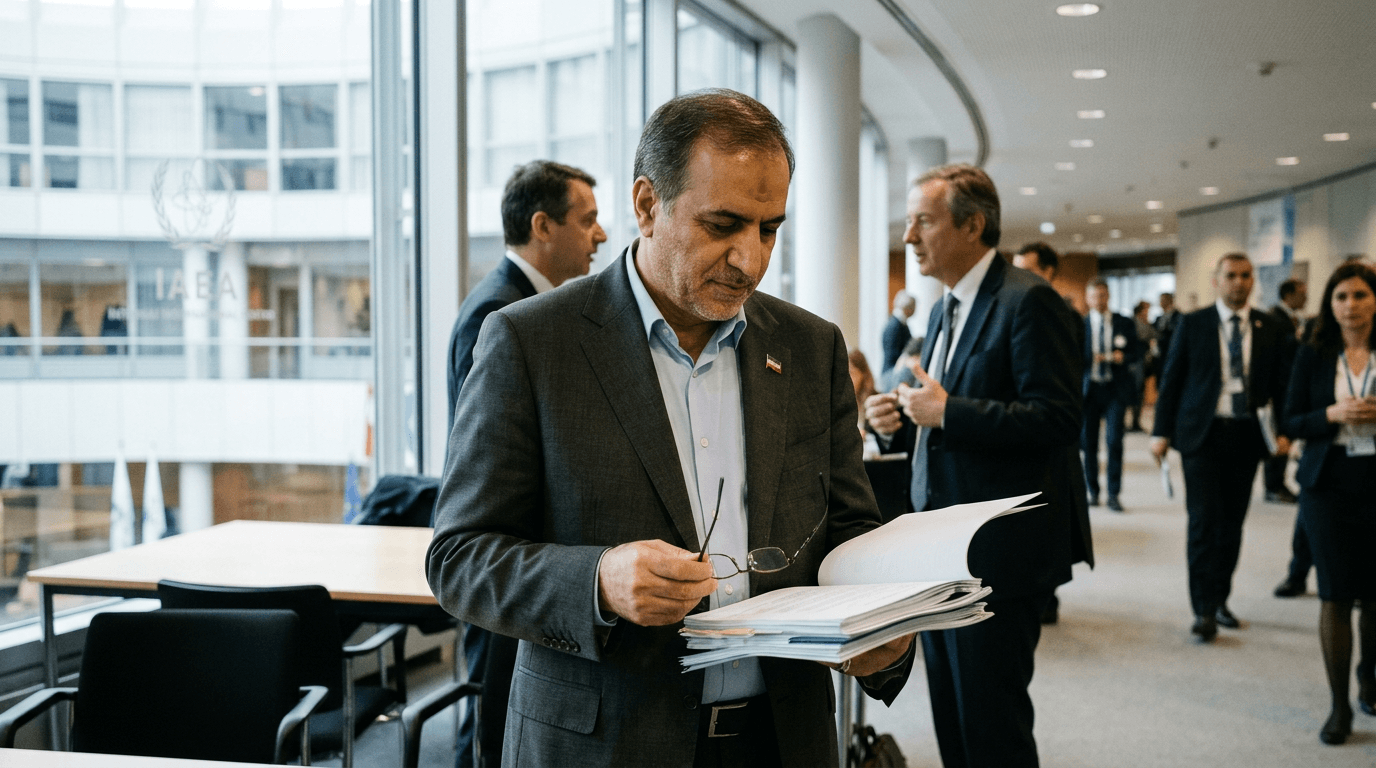
The surge in 24-hour trading volume, which accounts for nearly 15% of the total market history, suggests a recent influx of information. Whether this is a leak regarding the secret negotiations in Muscat or a reaction to the unprecedented restraint shown by regional proxies, the trend is clear. The market is increasingly rejecting the idea that a return to the status quo is possible. We are seeing a binary outcome where the middle ground has evaporated. Either the ceasefire collapses into a broader conflict, or it hardens into a definitive peace.
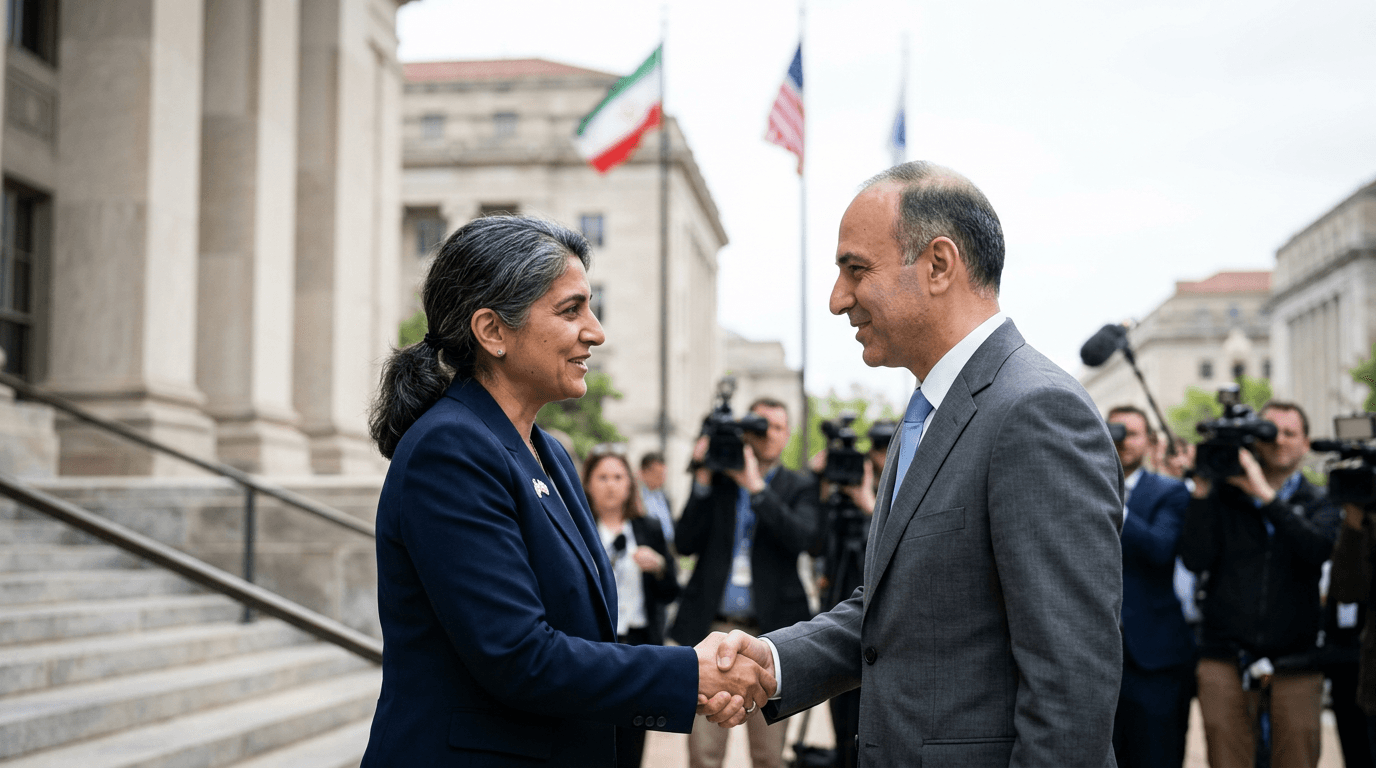
The June 15 deadline creates a compressed timeline that favors decisive action over bureaucratic delay. Negotiators have roughly sixty days to draft a document that satisfies the market’s "permanent" criteria. This pressure often forces concessions that would be impossible during a multi-year summit. While a 48% probability may seem optimistic given the historical baggage, it reflects a sober assessment of the current stakes. The cost of conflict has finally eclipsed the political cost of compromise. Washington and Tehran are out of easy options, and for the first time in nearly half a century, the smart money is refusing to bet against a handshake.

Comments
to join the conversation.
No comments yet. Be the first to share your thoughts.