

Nearly eight million dollars moved through the order books in a single twenty-four-hour window, and the verdict from the smart money is bruising. Despite the relative calm following the two-week ceasefire announced on April 7, 2026, the prospect of a permanent peace deal between Washington and Tehran has effectively been priced as a tail risk. At a 12% probability, the market suggests that a lasting diplomatic settlement is less an impending reality and more a statistical ghost haunting the halls of the State Department. Money is shouting where diplomats are merely whispering.
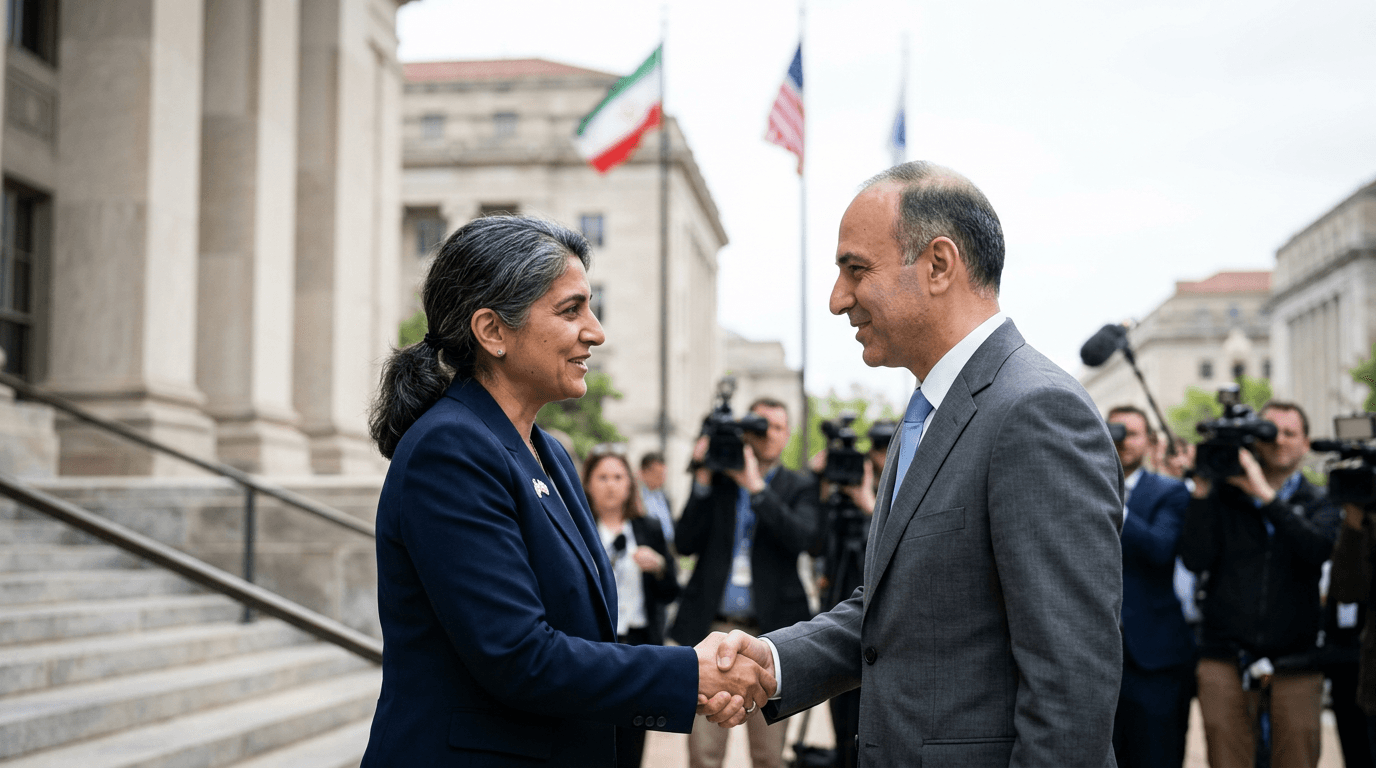
The current price action reflects a brutal assessment of geopolitical friction. While a 12% chance for a "Yes" resolution implies that a deal is technically possible, the overwhelming 89% weight on the "No" side indicates a market that has seen this movie before and disliked the ending. The total volume of $10,613,020 suggests this is not merely a playground for retail speculators. This is deep-pocketed conviction. Large-scale participants are aggressively fading the optimism generated by recent diplomatic photo-ops, betting instead on the structural inertia that has defined US-Iran relations for decades.
A permanent peace deal is an exceedingly high bar to clear. According to the market’s strict resolution criteria, any qualifying agreement must explicitly signal a lasting end to military hostilities. This excludes the very type of transactional, temporary arrangements that have historically characterized the relationship. The April 7 ceasefire was a welcome reprieve for global energy markets, but it remains a fragile pause rather than a fundamental pivot. To move the needle from 12% to something resembling a coin flip, the two nations would need to sign a treaty or formal multi-point agreement that goes well beyond the current tactical de-escalation. History suggests that such documents are rarely drafted, let alone signed, in the heat of a primary season or under the shadow of regional proxy wars.
The intensity of the recent trading volume, which saw $7,879,465 change hands in a day, highlights a sudden realization among participants. The honeymoon period of the ceasefire is over. Traders are now looking at the May 26 deadline with a sense of cold realism. For a permanent deal to manifest in the next few weeks, both governments would need to bypass years of institutionalized mistrust and domestic political opposition. In Washington, any agreement perceived as a concession would face immediate legislative scrutiny. In Tehran, the hardliners who benefit from a state of perpetual friction are unlikely to surrender their primary raison d'être for the sake of a signature. The math of peace simply does not add up.
There is also the matter of definitions. The market explicitly rules out "temporary extensions" of existing ceasefires. This is a crucial distinction. Diplomats are experts at kicking the can down the road, often rebranding a two-week pause as a two-month "strategic window." While such maneuvers keep the guns silent, they fail to meet the "permanent" threshold required for a "Yes" resolution. The market is pricing in the high probability that the May 26 deadline will pass with nothing more than another series of vague, non-binding statements of progress. Progress is not peace. Statements are not treaties.
The skepticism is grounded in the reality of the 2015 JCPOA’s messy collapse and the subsequent years of "maximum pressure" campaigns. Those events left a legacy of scar tissue that a fourteen-day ceasefire cannot heal. Bettors are looking at the 89% price for "No" and seeing a safe haven. While the 12% "Yes" advocates might point to the unprecedented nature of the current talks, they are fighting against the gravity of forty years of history. In the world of high-stakes prediction, betting on a fundamental transformation of Middle Eastern geopolitics to occur within a few weeks is a quick way to lose principal. The spike in volume is the sound of the exit door being crowded by those who realize that a temporary truce is the best-case scenario.
The geopolitical reality is that both regimes find the status quo of "managed hostility" far more sustainable than the domestic risks of a permanent settlement. A 12% chance is a generous nod to the "black swan" event of a diplomatic breakthrough. For the rest of the market, the 89% "No" price is the only rational anchor. The surge in activity confirms that when the stakes are this high, the crowd prefers the certainty of continued friction over the fantasy of a final peace.

Comments
to join the conversation.
No comments yet. Be the first to share your thoughts.