

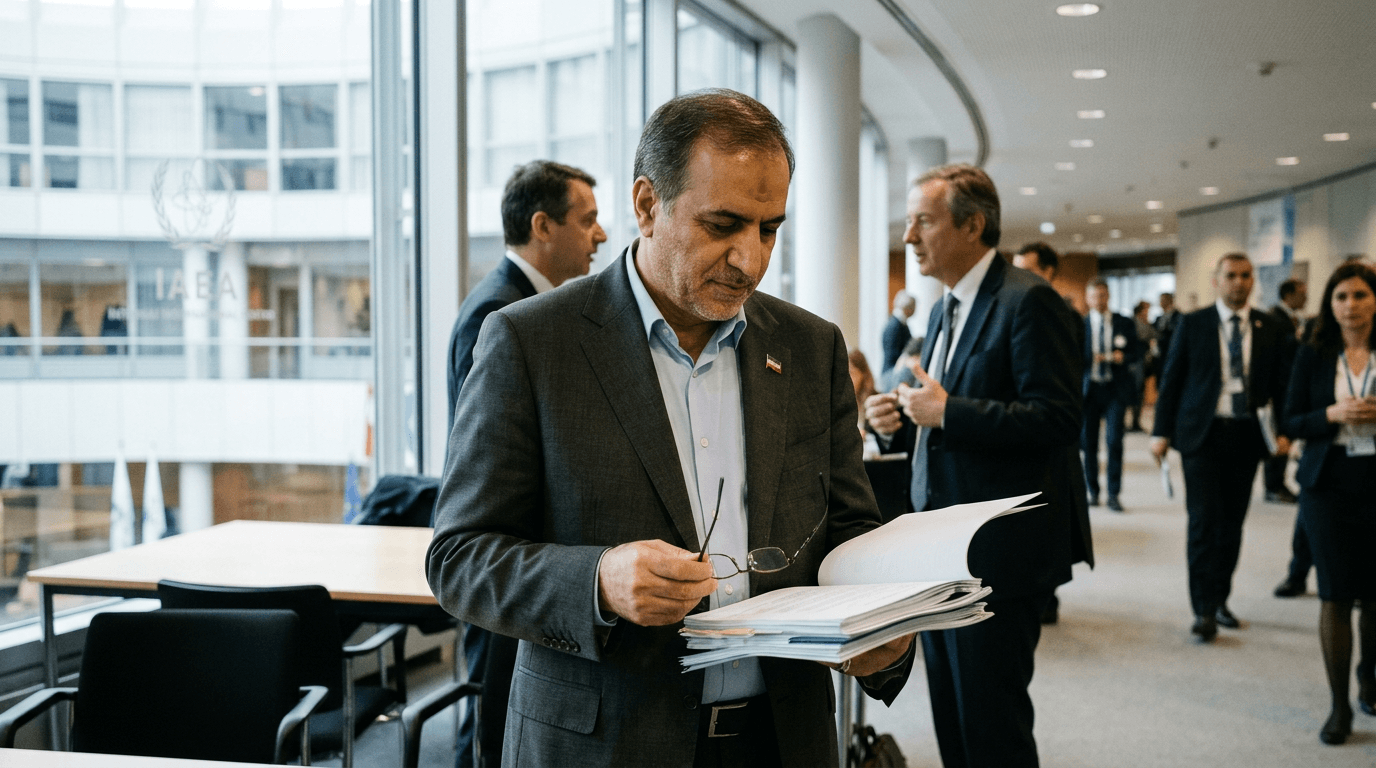
Thirteen cents. That is the current price of a miracle in the Persian Gulf. While diplomats in Geneva trade pleasantries over bottled mineral water, the capital flowing through prediction platforms is signaling a much harsher reality. With $26,979,570 already committed to the outcome, the collective intelligence of the crowd has priced the probability of a permanent peace deal between the United States and Iran at a dismal 13 percent. The smart money is not just skeptical; it is actively betting against a historical pivot.
This overwhelming pessimism comes despite the fragile optimism that followed the April 7, 2026, ceasefire agreement. That two-week pause in hostilities was heralded by some as a breakthrough, yet the financial data suggests it was merely a localized sedative for a systemic fever. Traders have moved over $2 million in the last 24 hours alone, largely reinforcing the wall of resistance at the 88 percent mark for the "No" resolution. Conviction is high, and that conviction is rooted in the grueling specificities of the contract itself.
The Definition of Forever
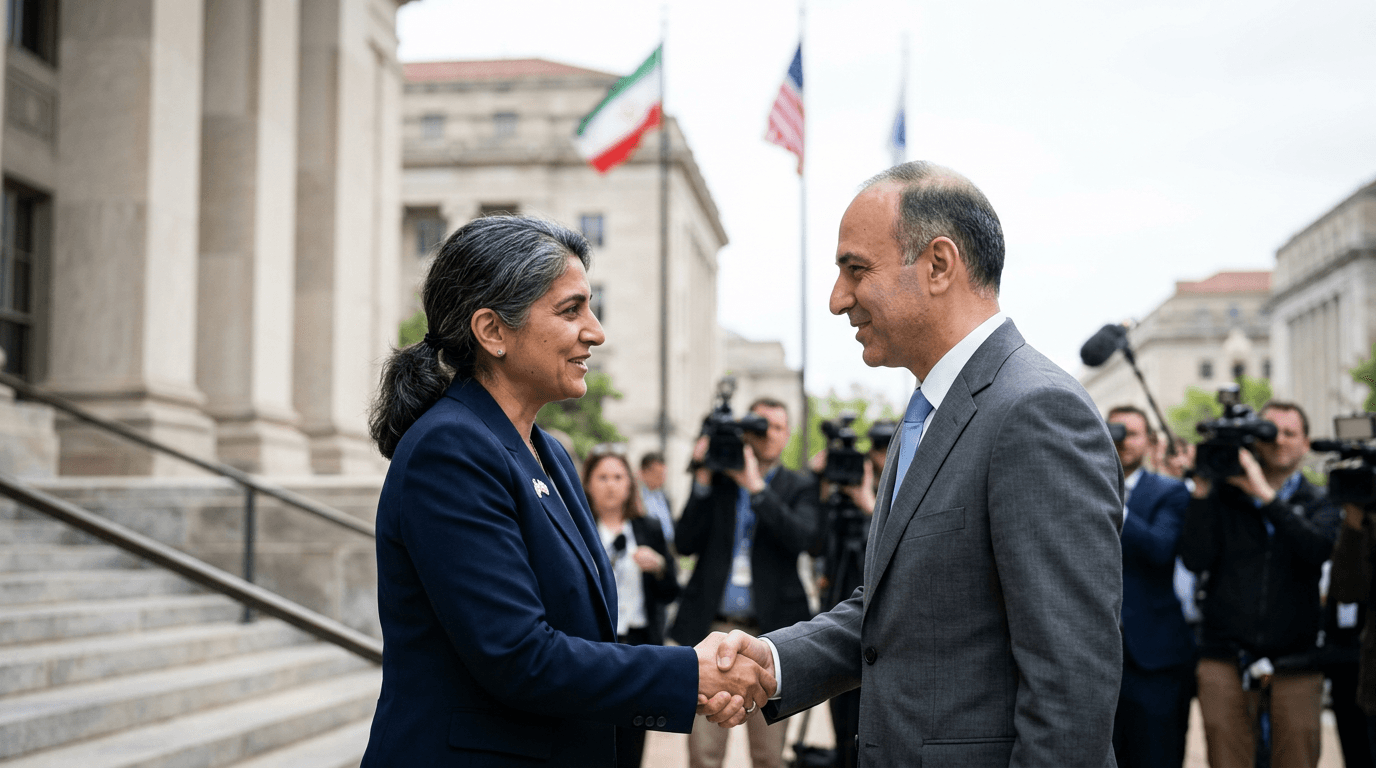
The hurdle for a "Yes" resolution is not merely a handshake or a photo opportunity on a tarmac. The market demands a permanent peace deal—an agreement that explicitly signals a lasting end to military hostilities. This is where the 13 percent price point finds its justification. History is littered with temporary reprieves and tactical pauses. To move the needle toward a permanent settlement, both Washington and Tehran would need to dismantle decades of institutionalized grievance. The market recognizes that a temporary extension of the April ceasefire—the most likely diplomatic outcome—fails the resolution criteria entirely.
Political inertia is a powerful force. In Washington, the appetite for a formal treaty remains nonexistent, chilled by a Congress that views any concession to Tehran as a strategic liability. In Tehran, the hardline elements within the security apparatus view permanent peace not as a goal, but as an existential threat to their internal mandate. These are not merely obstacles; they are structural components of the current geopolitical architecture. To expect a definitive signature by May 31 is to expect the gravity of the Middle East to simply cease to function.
A Bull Market for Skepticism
The sheer scale of the trading volume—nearly $27 million—indicates that this is not a niche playground for hobbyists. These are professional positions taken by participants who understand that the distance between a ceasefire and a peace deal is measured in light-years, not miles. The 88 percent probability assigned to "No" reflects a cold-eyed assessment of the calendar. We are weeks away from the deadline, and the necessary legislative and diplomatic groundwork for a permanent treaty has not even reached the nursery stage. It is a fantasy priced as such.
If peace were truly on the horizon, we would see the "Yes" price creeping toward the 30 or 40 cent mark as insiders and analysts caught wind of genuine concessions. Instead, the price has remained stubbornly anchored in the basement. This reflects a reality where both sides find more utility in managed friction than in settled resolution. The April 7 ceasefire provided a necessary breather for global oil markets, but it did nothing to resolve the underlying friction of regional hegemony and nuclear ambitions. The market sees the ceasefire for what it is: a tactical retreat, not a strategic surrender.
Capital is rarely sentimental. While humanitarian observers may hope for a signature that ends the threat of conflict, the data indicates that such a hope is a poor investment. The 13 percent chance represents a "black swan" hedge—a low-cost bet on a high-impact, low-probability event. For the rest of the market, the $26.9 million total volume acts as a massive anchor for the status quo. Peace, in its permanent and documented form, remains a luxury that neither capital nor current leadership seems ready to afford.

Comments
to join the conversation.
No comments yet. Be the first to share your thoughts.