

Eleven million dollars is a steep price to pay for a reality check, but that is exactly what the capital currently flowing through the US-Iran peace market suggests. For decades, the relationship between Washington and Tehran has been defined by a choreographed hostility that occasionally breaks into open violence, and seasoned observers are not expecting the script to change. The market is currently pricing the prospect of a permanent peace deal by April 2026 at a meager 17 percent. In plain English, the smart money believes there is an 83 percent chance that the current state of neither-war-nor-peace persists through the next year. This is not just cynicism; it is a calculated bet on the institutional inertia of two of the world’s most stubborn bureaucracies.
The trading volume tells the real story of conviction. With $1.68 million changing hands in the last 24 hours alone, this is no longer a niche curiosity for geopolitics nerds. It is a liquid theater of geopolitical expectation. The recent uptick in activity appears to be a reaction to the specific terms of the market, which demand a “permanent” cessation of hostilities. In the world of diplomacy, permanence is a high bar that usually requires the kind of formal treaty that the United States Senate has not shown the appetite to ratify in years. A temporary ceasefire, such as the two-week reprieve hinted at for early April 2026, simply does not move the needle for those holding “No” contracts. Peace is expensive, but the status quo is profitable for the hawks on both sides.
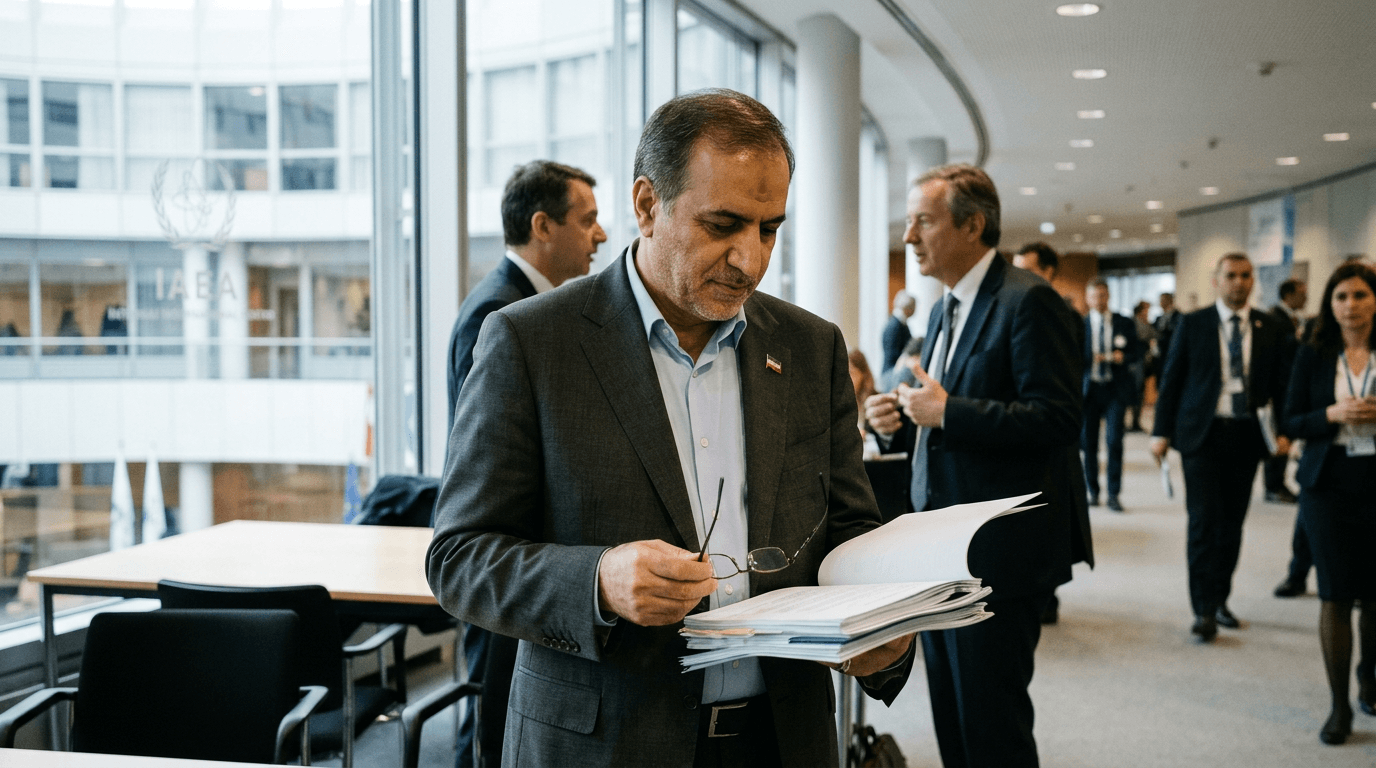
The fundamental problem for the 17 percent of optimists is the lack of a viable mechanism for trust. Iran continues to hold a stockpile of uranium enriched to 60 percent purity—a technical stone’s throw from weapons-grade material. International Atomic Energy Agency (IAEA) inspectors remain restricted, and the memory of the 2018 American withdrawal from the Joint Comprehensive Plan of Action (JCPOA) remains the defining trauma of Iranian foreign policy. For Tehran to sign a “permanent” deal, they would require guarantees that no future American administration could unilaterally shred the agreement. Given the current volatility of American domestic politics, no negotiator can honestly offer that guarantee. Washington cannot bind its future self, and Tehran knows it.
The High Cost of Permanence
To qualify for a “Yes” resolution, the agreement must explicitly signal a lasting end to military hostilities. This is a linguistic trap. Most diplomatic breakthroughs are built on ambiguity, allowing both sides to claim victory while maintaining their red lines. A permanent peace deal requires the opposite: clarity. It requires the United States to formally abandon the option of military force and for Iran to dismantle the “Axis of Resistance” that provides its regional leverage. Neither side appears ready to trade their primary leverage for a piece of paper that may not survive a change in the White House. The 84 percent price on “No” reflects a sophisticated understanding that while a temporary thaw is possible, a permanent spring is a fantasy.
The sheer scale of the $11.2 million total volume suggests that institutional players are using this market to hedge against regional instability. If you are a shipping firm concerned about insurance premiums in the Strait of Hormuz, or an energy trader watching the risk premium on Brent crude, these odds are a vital signal. The market is effectively saying that the risk of a miscalculation remains baked into the price of global commerce. We are seeing a massive accumulation of “No” positions because the structural incentives for conflict have not been removed. Sanctions remain a primary tool of American statecraft, with over 1,500 Iranian entities currently under various designations. Dismantling that apparatus is a multi-year project, not an overnight signing ceremony.
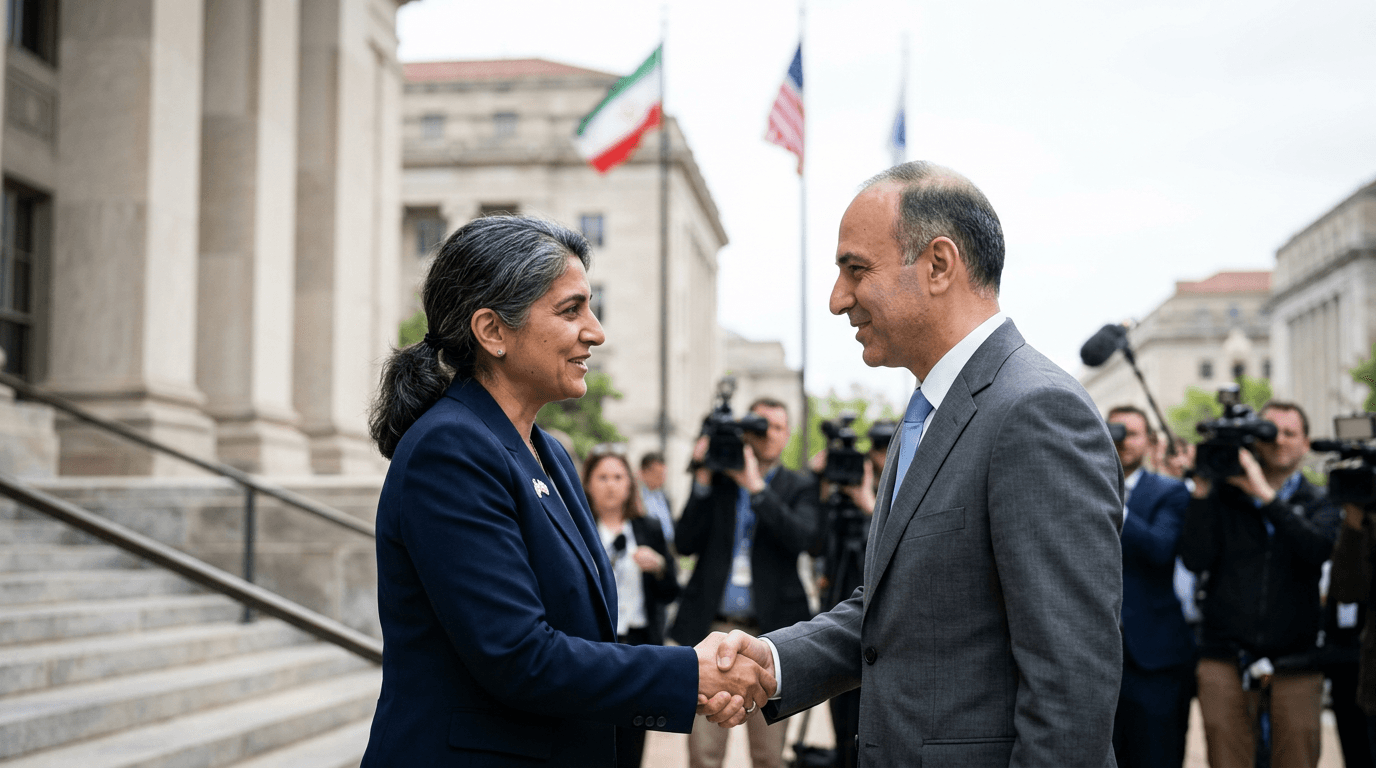
There is also the matter of timing. The April 22, 2026 deadline is closer than it appears in diplomatic years. Major treaties take years of back-channeling, months of formal negotiations, and a lifetime of political capital to sell to a skeptical public. We are currently seeing a total absence of the high-level diplomatic infrastructure required for such a feat. There are no secret summits in Oman, no shuttling between capitals by senior State Department officials, and no softening of the rhetoric from the Supreme Leader’s office. The 17 percent “Yes” price is likely a “black swan” hedge—a way for traders to protect themselves against an low-probability, high-impact event rather than a reflection of likely reality.
Ultimately, the market is behaving with a sobriety that is often missing from cable news analysis. It recognizes that in the Middle East, “permanent” is a word used by poets, not by generals or presidents. The heavy volume on the “No” side is a vote for the grueling, predictable grind of containment. Unless we see a radical shift in the enrichment data or a sudden collapse of the Iranian internal security apparatus, seventeen cents for a “Yes” still feels like an overpayment. Peace may be priceless, but on this exchange, it is currently a very poor investment.

Comments
to join the conversation.
No comments yet. Be the first to share your thoughts.