

The April 7 ceasefire was intended to be a mere pause, a tactical breather in a four-decade-long staring match. Yet, the price of a permanent peace deal has climbed to 48 percent, reflecting a burgeoning belief that the temporary lull announced this past spring was not a delay of the inevitable, but the start of something durable. For a conflict that has defined Middle Eastern instability since 1979, the prospect of a formal peace deal by August 31, 2026, is no longer a fringe fantasy. The skeptics have history on their side. They also have the numbers, holding a narrow 53 percent lead on the "No" side of the ledger.
The sheer velocity of the capital flowing into this proposition is impossible to ignore. In the last twenty-four hours alone, $613,920 has changed hands, a figure that accounts for nearly 90 percent of the total volume of $688,367 traded on this outcome to date. This is not the slow accumulation of retail sentiment. It is a violent re-pricing driven by concentrated conviction. When this much money moves this quickly on a diplomatic binary, it usually suggests that the private conversations in Doha and Muscat have taken a turn toward the substantive. Someone is betting that the rhetoric of "Great Satans" and "Maximum Pressure" is being traded for the dry, ink-stained reality of a signed treaty.
The High Bar of Permanence
The criteria for this resolution are intentionally rigorous. To trigger a "Yes" payout, the agreement cannot be a mere extension of the existing ceasefire or a vague memorandum of understanding. It requires a definitive end to military hostilities, codified in a signed treaty or a formal joint declaration of peace. This high bar explains why the "No" price remains at 53 percent despite the massive influx of recent capital. Betting on peace between the United States and Iran is, historically speaking, a losing trade. The graveyard of diplomacy is littered with "grand bargains" that dissolved before the ink was dry, often victims of an ill-timed missile test or a domestic political upheaval in either capital.
The current 48 percent probability implies that the market views this as a near-coin-flip. This is an extraordinary valuation for a relationship that has been characterized by frozen assets, proxy wars, and maritime skirmishes for forty-five years. To put this in perspective, six months ago, the implied probability of such a deal was in the low single digits. The shift represents a fundamental reassessment of the geopolitical incentives currently acting on both Tehran and Washington. For Iran, the crushing weight of sanctions and domestic unrest may have finally made the price of defiance too high. For Washington, the desire to pivot resources toward the Pacific makes a stabilized Middle East a strategic necessity rather than a luxury.
The Friction of Domestic Politics
However, the path to August 2026 is clogged with potential spoilers. A permanent peace deal is not just a diplomatic achievement; it is a political target. In Washington, any agreement that does not involve the total dismantling of Iran’s nuclear infrastructure will be met with fierce resistance in a divided Congress. In Tehran, the hardline elements of the Islamic Revolutionary Guard Corps view rapprochement as an existential threat to their economic and ideological hegemony. These internal pressures act as a powerful brake on any rapid movement toward a final settlement. The 53 percent of traders holding the "No" position are essentially betting on the enduring power of institutional inertia. They are betting that the friction of two opposing bureaucracies is stronger than the will of any two leaders.
There is also the matter of timing. The deadline of August 31, 2026, places the resolution just months before the United States midterm elections. This timeline is fraught with risk. Treaties of this magnitude require immense political capital, and the closer an administration gets to an election, the more that capital tends to evaporate. The "No" side thrives on the reality that it is always easier to prevent a deal than it is to finalize one. If a breakthrough does not happen in the next twelve months, the gravitational pull of the 2026 election cycle may kill the momentum entirely.
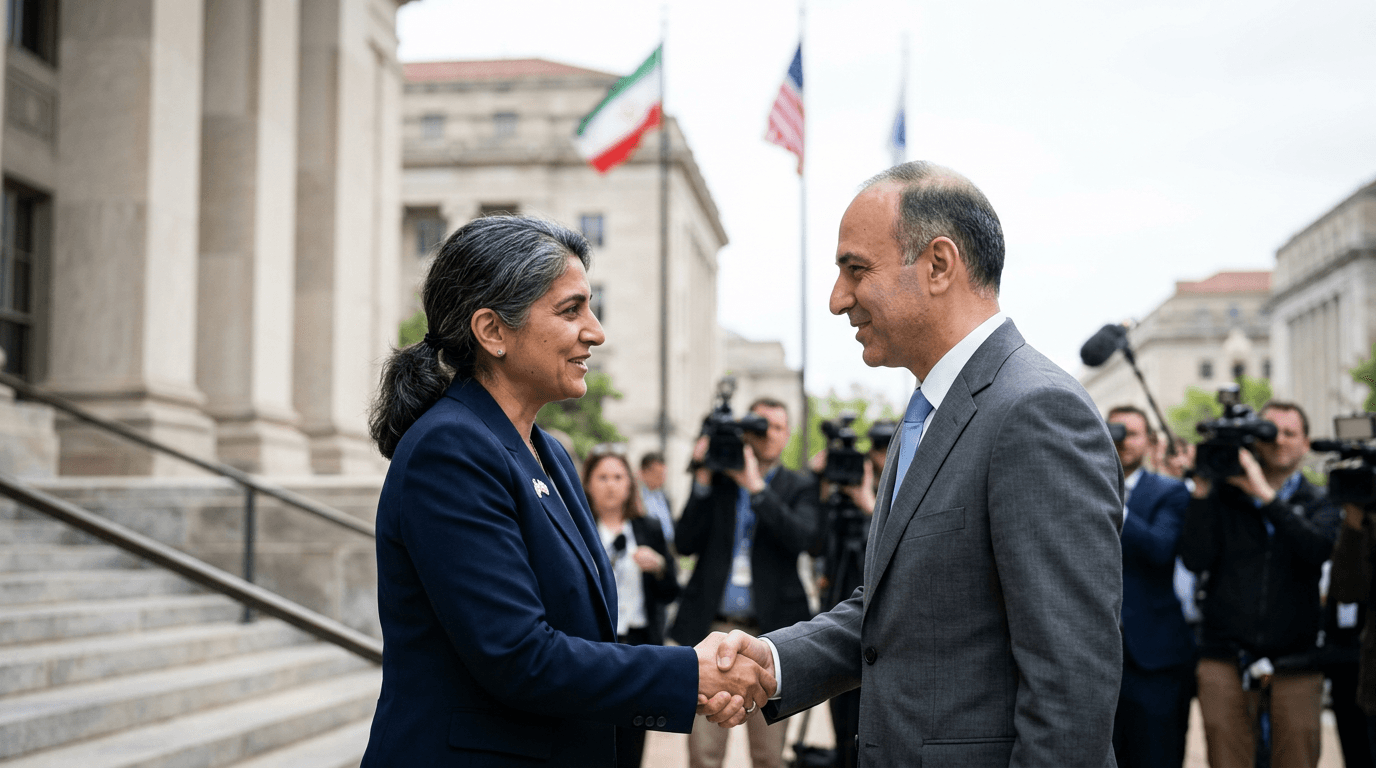
Yet, the money keeps coming. The massive 24-hour volume suggests a level of insider confidence that transcends simple political analysis. While the public remains skeptical, those with significant skin in the game are increasingly convinced that the April 7 ceasefire was the first domino in a sequence that ends with a handshake. It is a bold stance. History suggests that a 48 percent chance of peace is an overvaluation, but in the world of high-stakes diplomacy, the most significant changes often happen just when the skeptics have become most comfortable in their cynicism. The next few months will reveal if this capital influx was a moment of profound foresight or merely an expensive delusion.

Comments
to join the conversation.
No comments yet. Be the first to share your thoughts.