

Five million dollars buys a lot of skepticism in the world of geopolitical forecasting. That is the approximate sum currently committed to the proposition that the United States and Iran will sign a permanent peace deal by the end of May 2026. While the corridors of the United Nations may hum with the optimistic talk of a new era, the cold reality of the order book tells a different story. The price for a “Yes” outcome currently sits at 40 cents on the dollar, implying a 40% probability of a definitive end to decades of hostility. The majority of the capital, some 61%, is siding with the status quo of frozen conflict and periodic escalations.
Trading volume surged to $1,192,281 over the last twenty-four hours, a spike that indicates high-conviction players are entering the fray. This is not casual retail speculation. This is the movement of capital reacting to the fragile ceasefire announced on April 7, 2026. That two-week pause in hostilities acted as a temporary sedative for a region bordering on a nervous breakdown, but the leap from a pause to a signed, permanent peace treaty is a distance few diplomats are prepared to run. It is a sprint through a minefield. The market correctly identifies that a temporary cessation of fire is not a strategic pivot. It is a breather for restocking.
The Weight of Permanent Language
The criteria for this specific contract are unforgiving. A qualifying agreement must explicitly indicate that military hostilities have ended or will permanently cease. In the dialect of Middle Eastern diplomacy, “permanent” is a word that carries immense baggage and very little utility for politicians who thrive on ambiguity. For Supreme Leader Khamenei or his successors, a permanent deal requires a domestic ideological surrender that the current power structure in Tehran is ill-equipped to survive. For Washington, any treaty that lacks the “permanent” label fails to satisfy a hawkish Congress that views anything less as a repeat of previous failed nuclear frameworks.
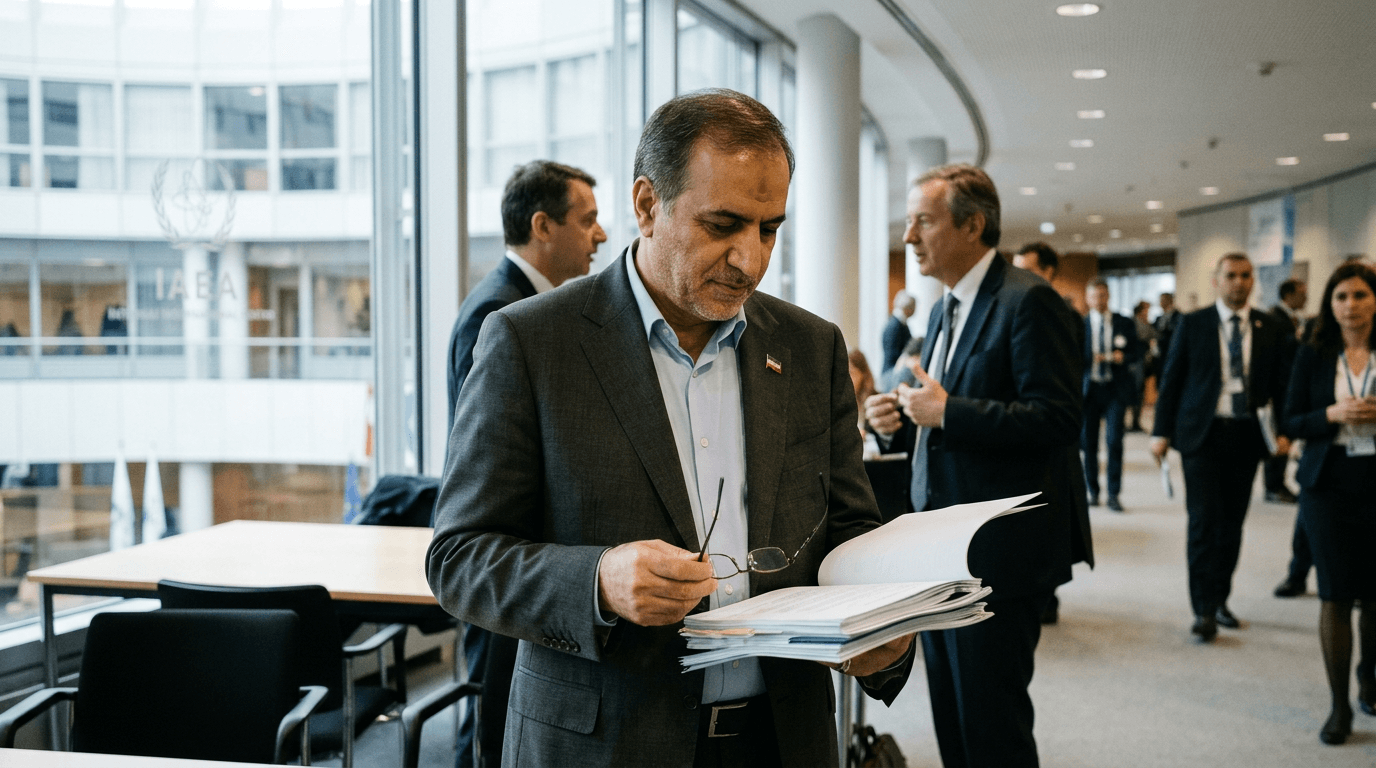
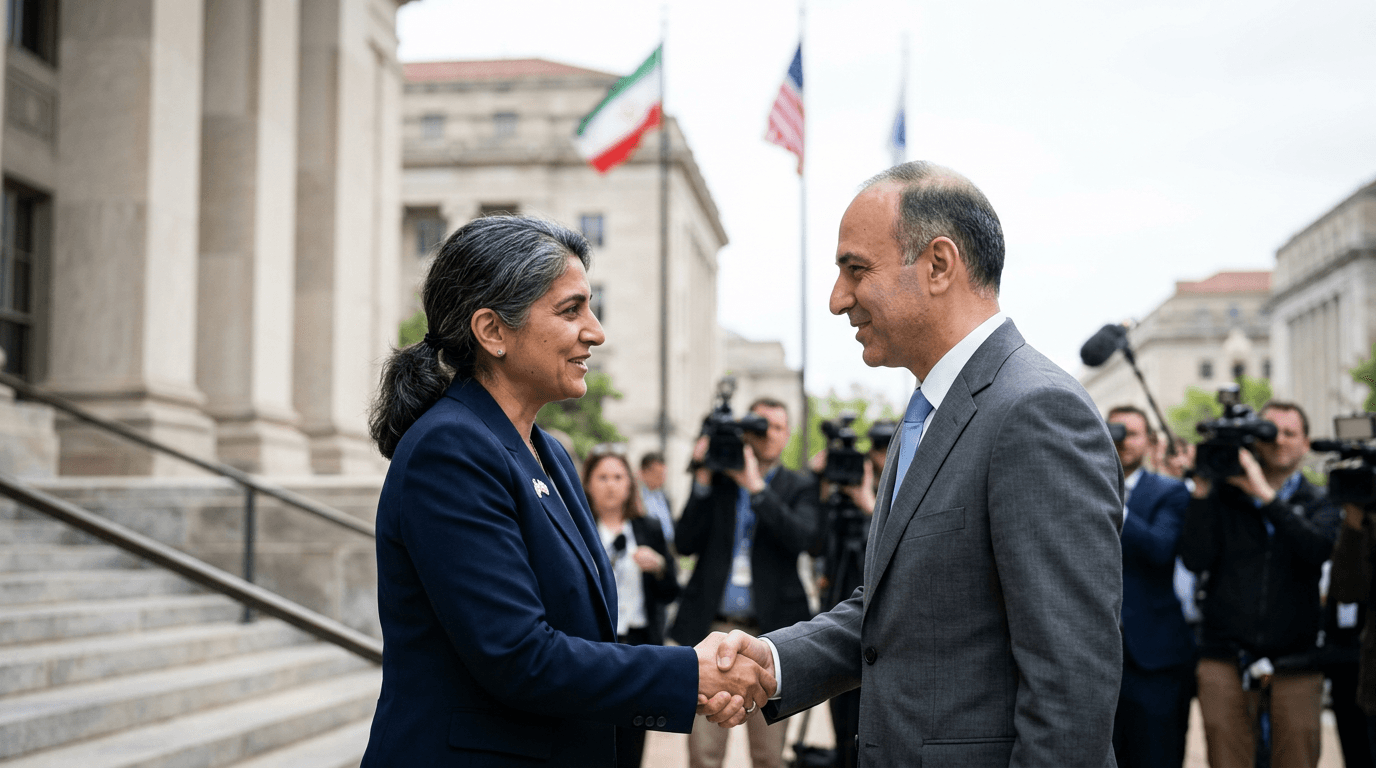
History is a heavy anchor. The 40% probability currently assigned to a “Yes” outcome reflects a “hope tax” that often plagues markets during periods of visible diplomatic activity. When officials from both sides are seen in the same room in Geneva or Doha, the price naturally drifts upward as observers confuse proximity for progress. However, the $5.38 million in total volume suggests that the larger players are waiting for more than just a photo opportunity. They are waiting for the text. The contract specifically excludes extensions of the April 7 ceasefire, meaning the clock is ticking against the diplomats. They have less than two months to turn a fragile truce into a historic settlement.
Liquidity and Conviction
High volume in a prediction market typically serves as a proxy for information efficiency. When over a million dollars moves in a single day, it suggests that the 40/61 split is a well-tested equilibrium. The bears—those holding the 61% “No” position—are betting on the bureaucratic inertia of both the State Department and the Iranian Foreign Ministry. They understand that a permanent peace deal is not just a document; it is an entire restructuring of the regional security architecture. It would require the dismantling of proxy networks and the lifting of a sanctions regime that has become a fundamental part of the American economic toolkit.
If one looks at the historical volatility of US-Iran relations, the 40% chance of peace seems remarkably high. It reflects a belief that the April 7 ceasefire was not just a fluke but a desperate necessity for two exhausted regimes. Yet, the price of “No” at 61 cents offers a more compelling risk-adjusted return for those who understand the domestic constraints in both capitals. To move from 40% to a majority “Yes,” the market would need to see more than just public confirmation; it would need to see the actual mechanics of a treaty. We are currently seeing the opposite.
The current market dynamics suggest that while the world wants to believe in a final handshake, the money is staying behind the barricades. The 24-hour volume spike likely represents a correction of over-optimism following the ceasefire’s initial announcement. As the reality of the May 31 deadline approaches, the window for a “Yes” resolution is narrowing significantly. In the world of high-stakes diplomacy, two months is an afternoon. A permanent peace deal requires a level of political capital that neither Joe Biden nor the Iranian leadership seems willing to spend in such a compressed timeframe. The smart money is watching the calendar, not the press releases.

Comments
to join the conversation.
No comments yet. Be the first to share your thoughts.