

The money is talking, and it is speaking in Farsi and English. In the last 24 hours, over $1.1 million has flooded into the question of whether the United States and Iran will sit across a table—directly or through a transparently thin veil of mediation—by the spring of 2026. This surge brings the total volume to nearly $3 million, a figure that suggests the smart money is no longer content to wait for a miracle. They are betting on a necessity. At a 64% probability, the consensus has moved firmly into the camp of those expecting a diplomatic engagement. In the cold language of the price sheet, a Yes share at 64 cents implies a nearly two-thirds chance that the diplomatic deep freeze will thaw before the deadline. This is not a vote for peace or friendship. It is a cynical, data-driven realization that both Tehran and Washington are running out of alternatives to the status quo.
Tehran’s motivation is written in the ledgers of its central bank. With domestic inflation hovering stubbornly around 35% and a currency that has lost roughly half its value against the dollar in the last two years, the Islamic Republic is feeling the weight of its own isolation. The election of Masoud Pezeshkian, a figure who has signaled a desperate need for sanctions relief, provides the necessary domestic cover for a pivot. Pezeshkian is not a radical; he is a pragmatist facing a hungry population. He knows that the only way to stabilize the rial is to find a way back to the negotiating table. The reformist camp in Tehran understands that ideological purity is a luxury the current treasury cannot afford.
The Logistics of Recognition
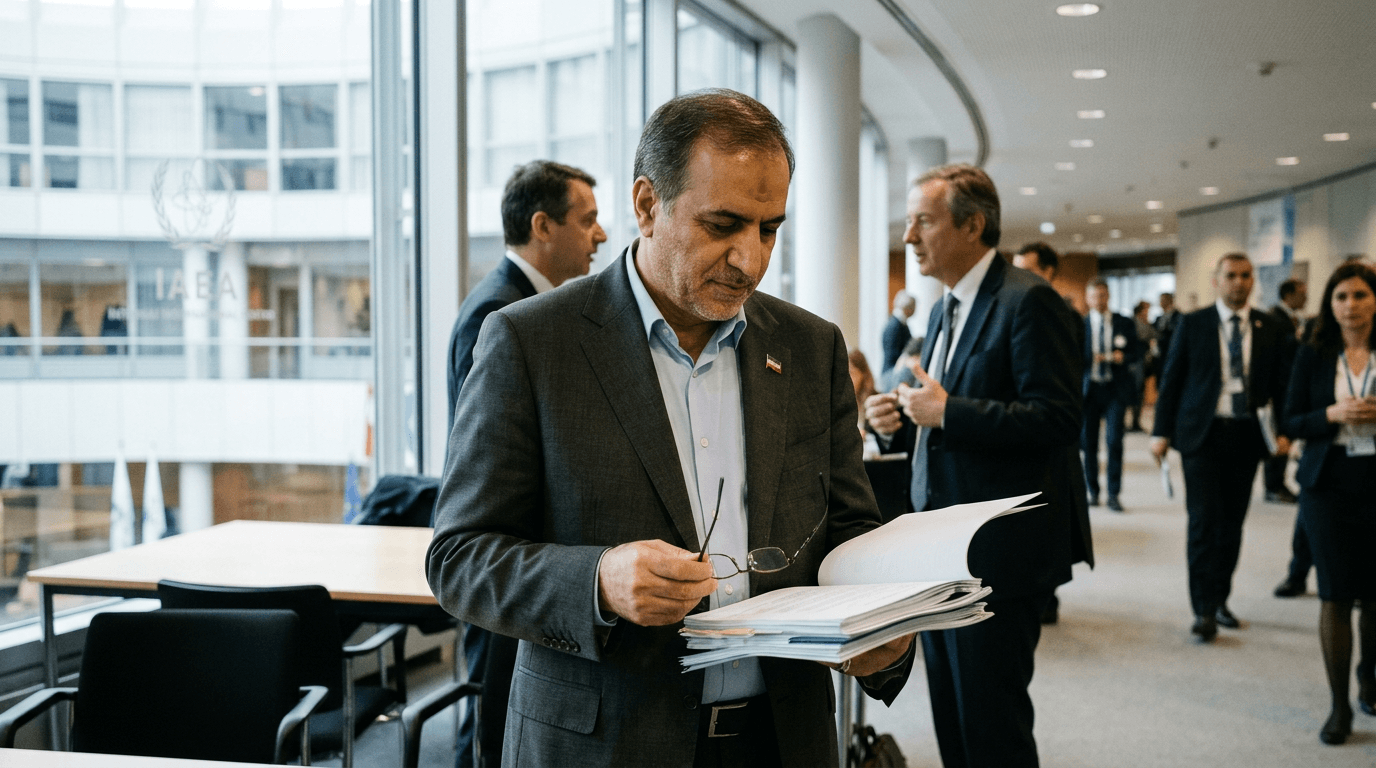
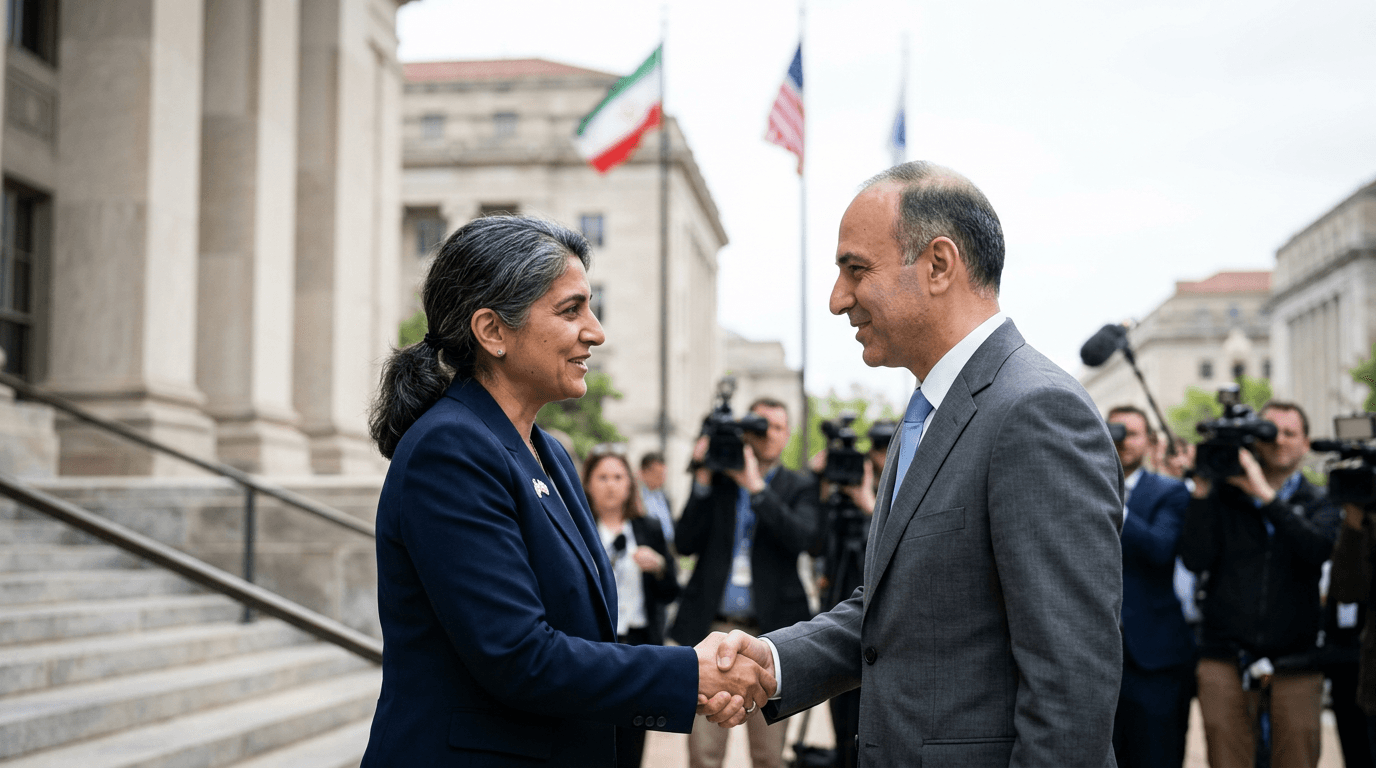
The terms of the resolution for this market are generous, allowing for indirect meetings through mediators in Muscat or Doha. This is a critical distinction. We are not necessarily waiting for a glamorous summit or a Rose Garden handshake. We are looking for the Oman Process to graduate from secret whispers to publicly acknowledged diplomacy. The 64% odds reflect a belief that the current shadow-boxing is a prelude to a more formal, albeit likely grudging, engagement. For a meeting to count, it must be deliberate and publicly acknowledged. A chance encounter in a United Nations hallway will not suffice. The market is looking for substance, not serendipity.
Washington, meanwhile, is staring down a calendar of its own. Regardless of who sits in the Oval Office in early 2025, the reality of Iran’s nuclear progress makes the current policy of containment look increasingly like a slow-motion disaster. Iran’s breakout time—the period required to produce enough weapons-grade uranium for a single nuclear device—has reportedly shrunk to a matter of weeks. The American electorate has little appetite for another Middle Eastern conflict. Yet, the alternative to diplomacy is a military confrontation that neither side can afford. The conviction seen in the $2.88 million total volume suggests that traders believe the United States will eventually choose the lesser of two evils.
The Shadow of 2024
Critics will point to the influence of regional proxies as a reason for skepticism. The volatility in the Levant and the Red Sea provides ample opportunity for hardliners in either capital to scupper any rapprochement. However, the volume of trading suggests that bettors are looking past the headlines of the day and toward the long-term structural needs of both states. A $1.19 million commitment in a single day is not a hedge against a headline. It is a directional bet on the exhaustion of two old rivals. The market is pricing in the reality that even the most stubborn adversaries eventually find their way to a quiet room in Qatar when the alternative is total economic or military collapse.
The 37% price for a No resolution still carries weight, representing those who believe the domestic political costs in both countries are too high for even a quiet meeting. In Washington, any outreach to Tehran is a political third rail. In Tehran, the Supreme Leader remains the final arbiter, and his distrust of American intentions is legendary. But even legends must occasionally bend to the reality of empty grain silos and broken oil pipelines. If the price holds or climbs toward 70%, it will signal a conviction that the logistical barriers to a meeting are lower than the political ones. In the world of high-stakes diplomacy, necessity usually triumphs over pride, even if it takes until the final hour of April 2026. The money says the table is being set. Now we wait to see who brings the chairs.

Comments
to join the conversation.
No comments yet. Be the first to share your thoughts.