

Eighteen million dollars is a significant sum to wager on a miracle. Yet that is precisely what is currently on the table as traders weigh the possibility of the United States and Iran moving beyond their decades-old cycle of proxy wars and economic strangulation. The current pricing for a permanent peace deal by May 31, 2026, sits at a curious 26 percent. This implies that roughly one in four dollars believes a definitive end to hostilities is not just possible, but imminent. It is a striking figure for a relationship that has defined geopolitical dysfunction since 1979.
The surge in trading volume, which saw nearly $1 million change hands in the last twenty-four hours alone, reflects a sudden injection of conviction into a previously stagnant pool. Much of this momentum stems from the fragile ceasefire announced on April 7, 2026. While that two-week pause was initially dismissed as a tactical reset, its survival into May has forced a recalibration of expectations. Capital is usually cowardly, but here it is showing a rare, if skeptical, streak of bravery. The 26 percent probability for a "Yes" outcome suggests that while the majority remains unconvinced, a vocal and well-funded minority sees a path through the thicket.
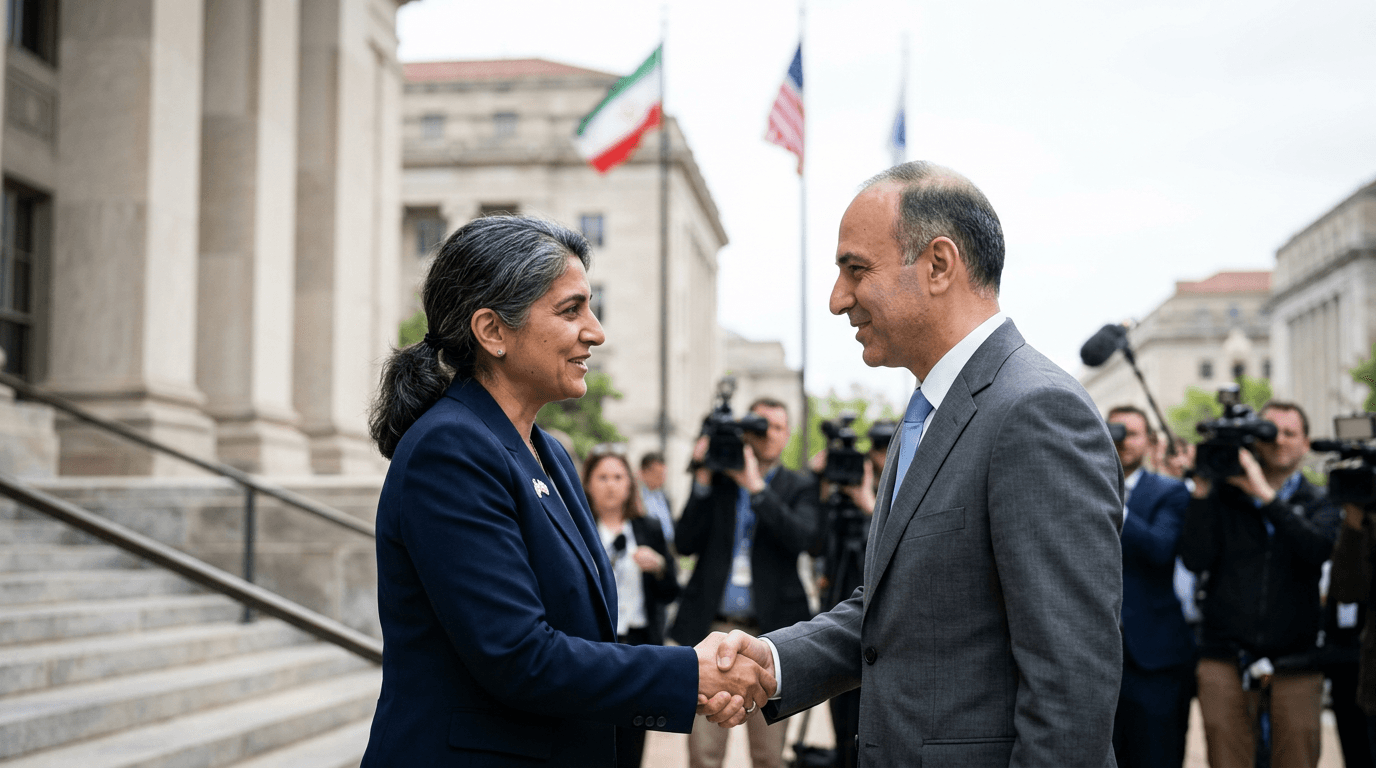
The difficulty lies in the word "permanent." The terms of the trade are unforgiving. A temporary extension of the current ceasefire will not trigger a payout. Neither will a vague memorandum of understanding or a handshake in a neutral European capital. The resolution requires a signed treaty or a formal, public declaration that military hostilities have ended on a lasting basis. This is a high bar for a White House that must contend with a skeptical Congress and a Tehran regime that views "death to America" as more than just a slogan. It is a legal and political labyrinth where the walls are constantly moving.
The Weight of the Seventy Five Percent
The overwhelming majority of the capital, represented by the 75 percent price for "No," is anchored in the reality of the status quo. To move from a 26 percent probability to a coin flip would require more than just the absence of fighting. It would require the dismantling of a massive infrastructure of mutual distrust. Washington currently maintains over 1,600 individual sanctions on Iranian entities, a bureaucratic mountain that cannot be moved by a single stroke of a pen. On the other side, Iran’s enrichment of uranium to 60 percent purity remains a physical reality that diplomatic rhetoric cannot easily erase. These are not merely talking points; they are the structural pillars of the current conflict.
History is a heavy anchor in these negotiations. Every major diplomatic breakthrough between these two nations over the last two decades has been followed by a swift and often violent regression. The 2015 nuclear deal, once hailed as a generational shift, was dismantled in a single presidential term. Traders holding the "No" position are essentially betting on the consistency of failure. They recognize that for a deal to be truly permanent, it must survive the electoral cycles of a polarized United States and the opaque succession politics of the Islamic Republic. That is a lot of variables to align in the next thirteen months.
The Narrow Path to Yes
For the optimists to be right, the logic of the situation must change from "why peace" to "why now." The 26 percent probability reflects a belief that both regimes are currently facing unprecedented internal pressures that make a permanent truce a survival mechanism rather than a luxury. Iran’s economy continues to buckle under the weight of inflation that has averaged nearly 40 percent over the last three years. Meanwhile, the United States is increasingly desperate to pivot its military resources away from the Middle East to focus on more pressing concerns in the Pacific. Desperation is a powerful lubricant for diplomacy.
The math favors the cynics, but the volume favors the bold. The $18.3 million total volume indicates that this is not a niche interest; it is a major focal point for geopolitical forecasting. If a deal is reached, it will be because the cost of continued conflict finally exceeded the political cost of compromise. For now, the 75 percent majority remains the rational play. Yet, the persistent 26 percent floor suggests that the market is refusing to count out a black swan event. The calendar is a cruel negotiator, and as the May 2026 deadline approaches, the price of "Yes" will either evaporate or explode. There is no middle ground in a market that demands permanence.

Comments
to join the conversation.
No comments yet. Be the first to share your thoughts.