

Six million dollars is a hefty sum to bet on a ghost. On the leading prediction markets, that is the current total volume riding on a single question: will the United States and Iran sign an official ceasefire by March 31? The answer, according to those with skin in the game, is a resounding and expensive no. At a current price of 74 cents for a “No” outcome, the market is pricing in a 74% probability that the status quo of shadow boxing and proxy skirmishes will persist through the spring. Diplomacy is cheap; certainty is not.
Twenty-seven cents. That is the current price of peace. For a “Yes” bet to pay out, the market requires more than just a lull in the Red Sea or a quiet week in the Iraq-Syria corridor. It demands a publicly announced, mutually agreed-upon halt in direct military engagement. This is a high bar for two nations that have spent the better part of four decades perfecting the art of the unacknowledged conflict. The market is not betting on the absence of violence. It is betting on the absence of a signature.
The conviction behind this skepticism is fueled by more than just historical pessimism. Daily trading volume has surged to over $728,000, signaling that this is no longer a niche curiosity for geopolitics nerds. It is a liquid, high-conviction environment where sophisticated actors are weighing the geopolitical reality against the stringent rules of the contract. The market rules explicitly exclude “informal understandings” or “backchannel de-escalation.” In the world of Middle Eastern diplomacy, these informalities are the only currency that usually circulates. Washington and Tehran both find formal agreements politically toxic. A signed document would require the Biden administration to defend a “deal” with the world’s leading state sponsor of terrorism during an election cycle, while the hardliners in Tehran would have to explain a public climbdown to their own revolutionary guard.
The Shadow War Premium
Consider the data. Since October, US interests in the region have faced over 150 attacks from Iranian-aligned groups. The American response has been calibrated, kinetic, and, most importantly, unilateral. There is no existing framework for a bilateral ceasefire because, officially, the two nations are not at war. To move the “Yes” price from 27% toward a majority, one would have to believe that both sides are ready to abandon the plausible deniability that has governed their interactions since the 1980 Algiers Accords. That is a tall order for a six-week window. The market understands that a tactical pause is not a peace treaty.
Sentiment among traders remains cold. The 74% “No” position reflects a hard-nosed assessment of the “official” requirement. We have seen temporary stand-downs before, often following a particularly lethal strike or a surge in oil price volatility. Brent crude hovering near $80 a barrel suggests the energy markets are bracing for friction, not a diplomatic breakthrough. If the oil majors aren’t betting on a calm horizon, the prediction market traders see little reason to diverge. They are following the money, and the money says the rockets will stay in their launchers only as long as it suits the tactical needs of the day.
The “Yes” side of the trade is essentially a bet on a black swan event. It assumes a level of diplomatic courage that is currently absent from both the West Wing and the Supreme Leader’s office. While humanitarian pauses or limited operational stand-downs might offer a reprieve for civilians and shipping lanes, they fail the market’s resolution test. Traders are correctly distinguishing between a temporary cessation of fire and a formalized ceasefire. The former is a common feature of this conflict; the latter would be a historical anomaly.
Liquidity and Realism
With $6.3 million in total volume, this market is providing a more accurate barometer of regional tension than most think-tank white papers. The liquidity here prevents wild swings based on rumors. When a headline drops about a potential backchannel deal in Oman, the “Yes” price might flicker, but the “No” wall has remained remarkably resilient. It is a testament to the market’s collective intelligence. It recognizes that in the current climate, an official announcement of peace is more dangerous for the participants than the continuation of a controlled war.
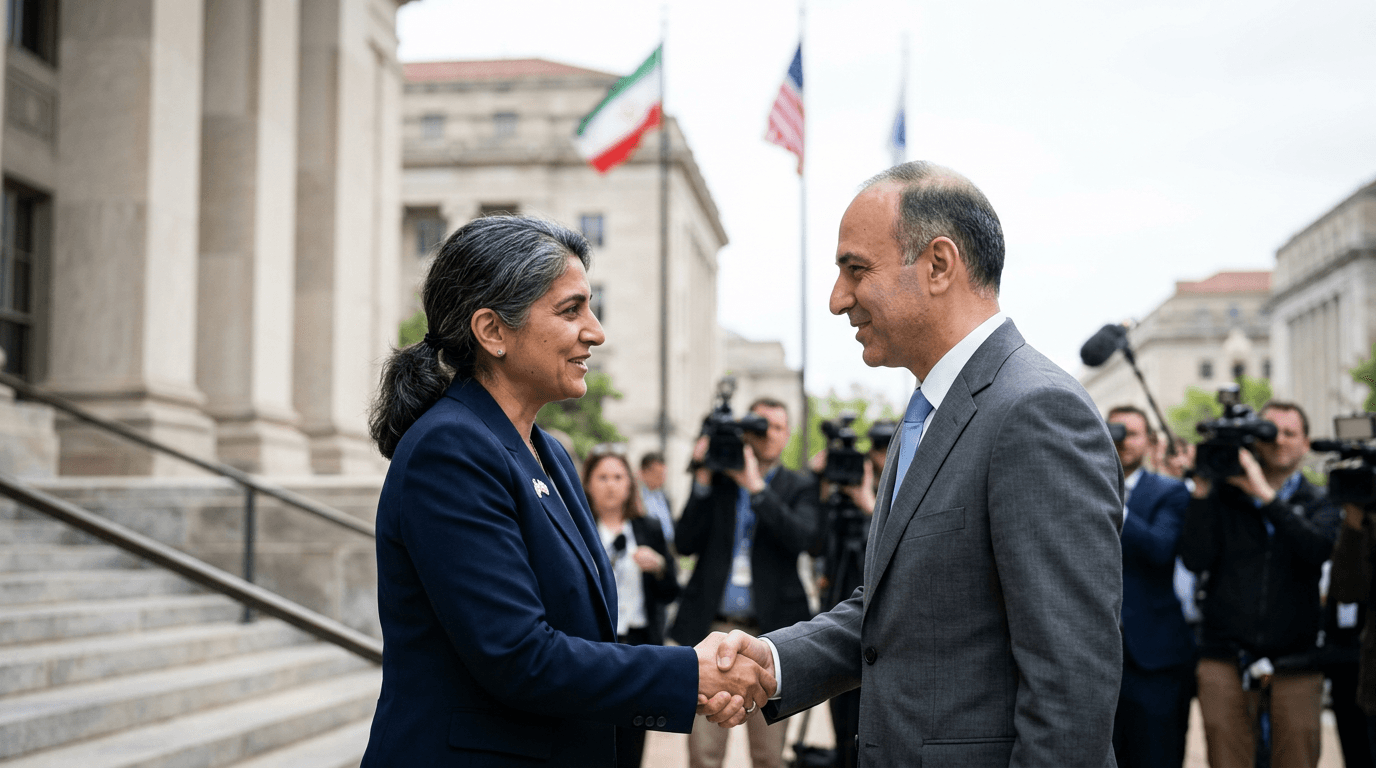
The March 31 deadline acts as a pressure cooker. As the days tick by without a formal communique, the value of the “No” shares will naturally drift toward the dollar mark. This isn’t just a bet on hostility; it’s a bet on the friction of international relations. Direct military engagement between the US and Iran is a dance that neither side wants to stop, but neither wants to lead. Expect the 74% to hold or climb. In the cold calculus of the prediction market, the absence of a handshake is the safest bet in town.

Comments
to join the conversation.
No comments yet. Be the first to share your thoughts.