

The April 7 ceasefire had all the hallmarks of a temporary reprieve—a collective exhale in a region that has largely forgotten how to breathe. It stopped the drones, for now. It paused the enrichment centrifuges, theoretically. But the sharp-eyed observers putting their money where their mouths are have already reached a verdict on the long-term prospects of this diplomatic flirtation. They are not buying the hype.
Currently, the price for a "Yes" on a permanent peace deal by May 15, 2026, sits at a meager 14 cents on the dollar. In the cold language of the trade, that represents a 14% probability of success. The remaining 86% of the capital is betting on the status quo: a cycle of friction, proxy skirmishes, and the structural impossibility of a handshake that lasts. With over $11 million in total volume and a massive $1,053,539 changing hands in the last 24 hours alone, this is not just retail noise. This is institutional-grade skepticism backed by significant liquidity.
History suggests the skeptics are right. To reach a "permanent" deal—as defined by the explicit cessation of all military hostilities—the two nations would have to resolve nearly fifty years of ideological baggage in roughly fourteen months. It is an Olympic sprint through a minefield. The United States remains tethered to a policy of pressure that has seen more than 1,500 individual sanctions targets added to the list since 2018. Iran, meanwhile, has pushed its uranium enrichment to 60% purity, a stone’s throw from weapons-grade material. These are not the actions of two parties preparing for a wedding. They are the defensive crouches of two fighters waiting for the bell.
The High Bar of Permanence
The 14% "Yes" price likely reflects a small cohort of optimists betting on a black swan event. Perhaps they envision a scenario where a sudden economic collapse in Tehran or a radical shift in Washington’s appetite for Middle Eastern entanglement forces a grand bargain. But grand bargains require trust, and trust is the one commodity currently trading at zero. The April 7 agreement was specifically characterized as a "temporary extension," a phrase that acts as a linguistic escape hatch. It allows both sides to avoid a hot war without committing to a cool peace. Diplomacy, in this context, is a form of conflict management rather than conflict resolution.
Consider the sheer logistical weight of a permanent deal. It would require Senate ratification in Washington—a graveyard for treaties in a polarized era—and the blessing of the Supreme Leader in Tehran, who has built a political identity on the concept of resistance. For the odds to move toward a coin flip, we would need to see more than just a pause in hostilities. We would need to see the dismantling of the IRGC’s regional influence and a wholesale lifting of the primary oil sanctions that currently keep Iranian exports largely confined to the shadows. Neither looks imminent. The Iranian “ghost fleet” continues to move roughly 1.5 million barrels of crude per day, providing just enough fiscal oxygen to keep the regime from the brink, yet leaving it far too starved to feel any incentive to disarm entirely.
A Consensus of Cynicism
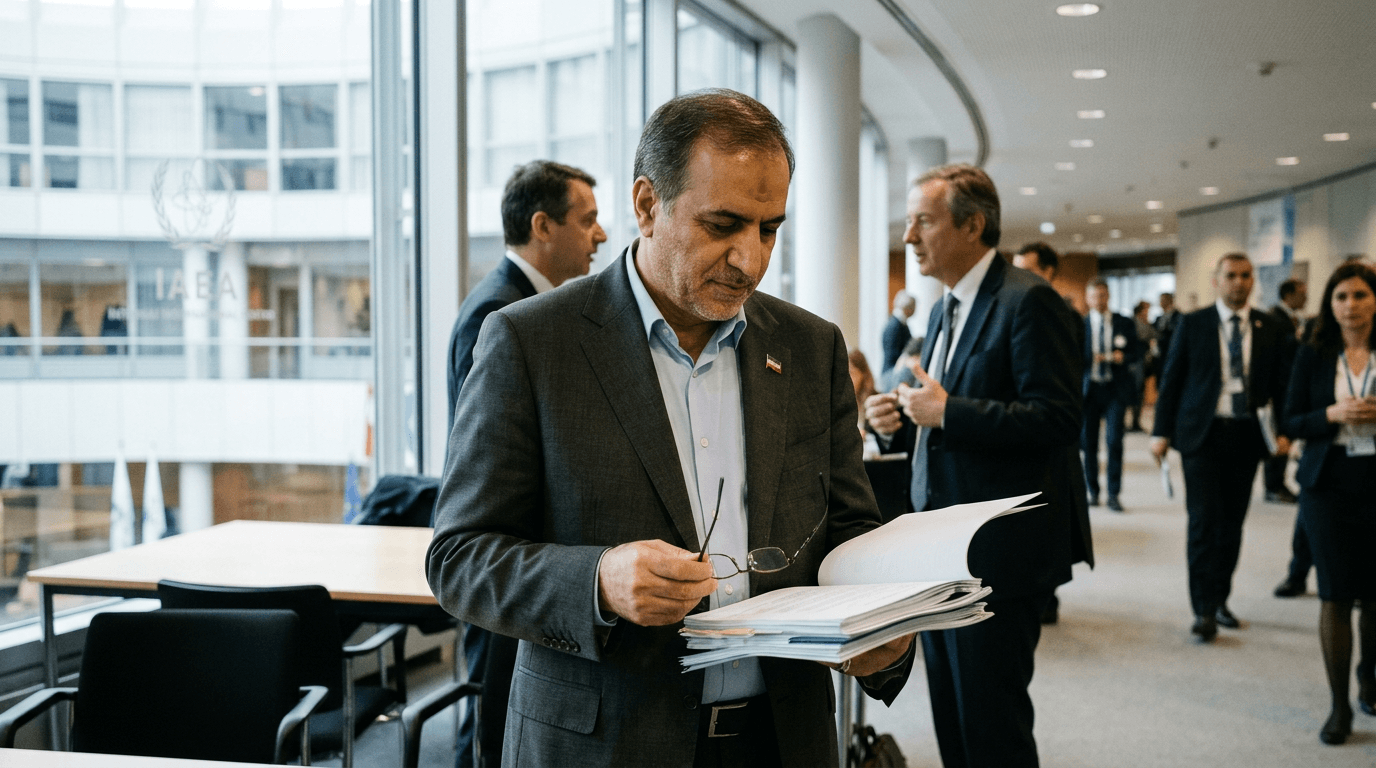
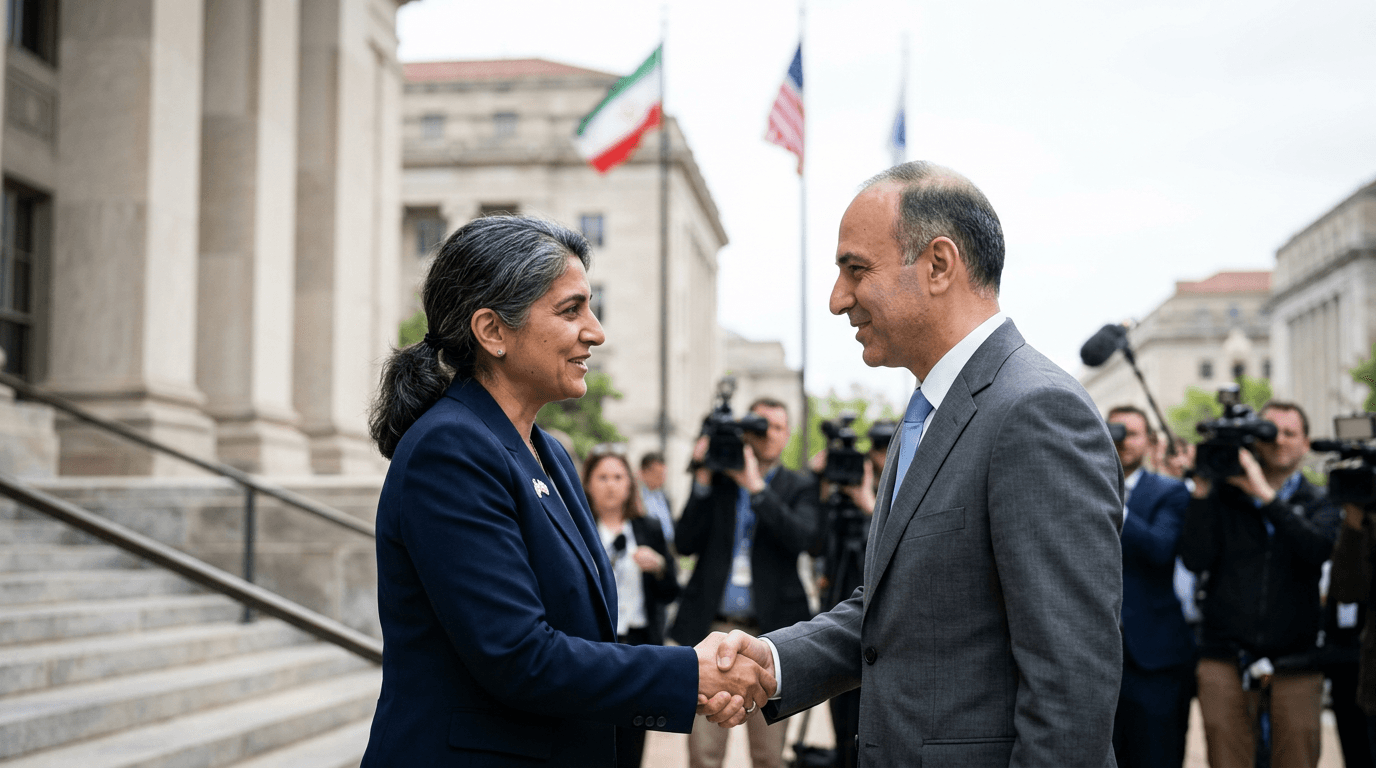
The surge in trading volume suggests that the recent ceasefire did not convince people that peace was coming; it merely provided a liquidity event for those looking to short the possibility of a breakthrough. When a market sees $1 million in volume over a single day, it means the price discovery process is working overtime. The fact that the price has stayed pinned below 15% despite the headlines of “progress” is a damning indictment of the diplomatic theater. Investors are looking past the handshakes and focusing on the centrifuges.
The strategic incentives for both sides remain skewed toward the middle ground of "no war, no peace." For Washington, a permanent deal would alienate key regional allies and trigger a domestic political firestorm. For Tehran, a permanent peace would remove the primary external enemy used to justify internal security measures. Both sides are currently comfortable in the gray zone. At 86%, the "No" side is more than a safe bet. It is a reflection of the deep-seated structural reality that it is easier to manage a conflict than it is to end one. The diplomacy we are seeing is a maintenance project, not a renovation. Betting on a permanent peace deal is betting against the gravity of history.

Comments
to join the conversation.
No comments yet. Be the first to share your thoughts.